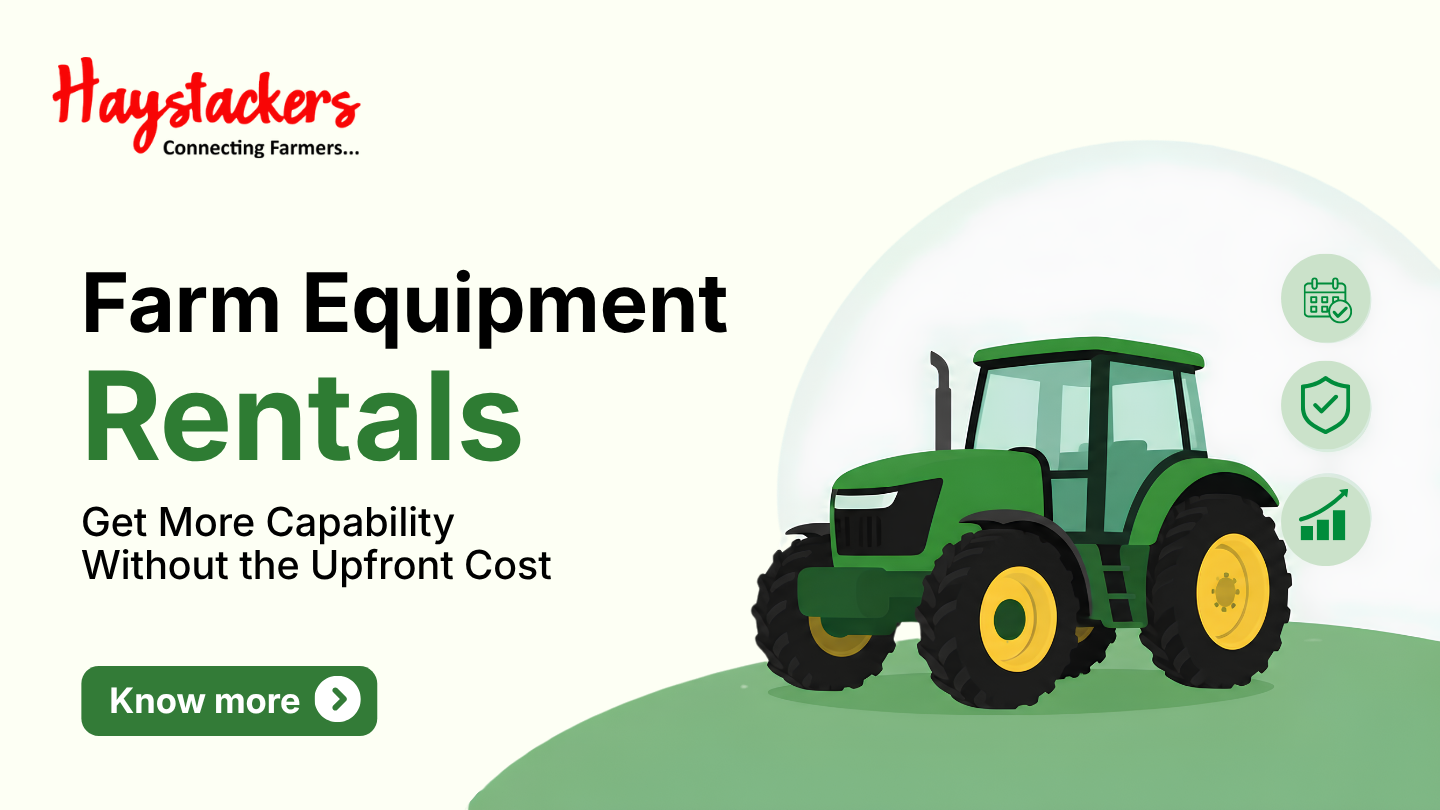
Farm Tractor Rental
Buying farm machinery drains cash you need elsewhere.
Renting gives you the same horsepower, the same results, and none of the
long-term debt. Here's how smart farmers are working more land with less money
tied up.
If you've ever stared at a tractor price tag and then at your bank balance, you know the feeling. Farming already asks a lot of your money — seed, fertilizer, labor, fuel — and then equipment shows up wanting a six-figure commitment too. That's precisely why more growers across the country are turning to farm equipment rental in US operations instead of buying outright. It's not about cutting corners. It's about spending money on machinery only when it's actually working for you. This blog walks through the real pain points behind equipment ownership, why renting solves them, and how to actually go about it — without the guesswork.
Let's be honest about what ownership really costs. A new tractor, combine, or baler isn't just a purchase — it's a long-term financial relationship. You're paying for the machine, the loan interest, the insurance, the storage shed, and the mechanic you call every time something rattles.
Why Upfront Costs Keep Farmers Up at Night
Most farms don't use every piece of equipment
year-round. A planter might work hard for three weeks and then sit in the barn
for eleven months. That's eleven months of depreciation, insurance premiums,
and shed space you're paying for on a machine that does nothing. For small and
mid-size farms especially, that dead weight on the balance sheet can make the
difference between a good year and a stretched-thin one.
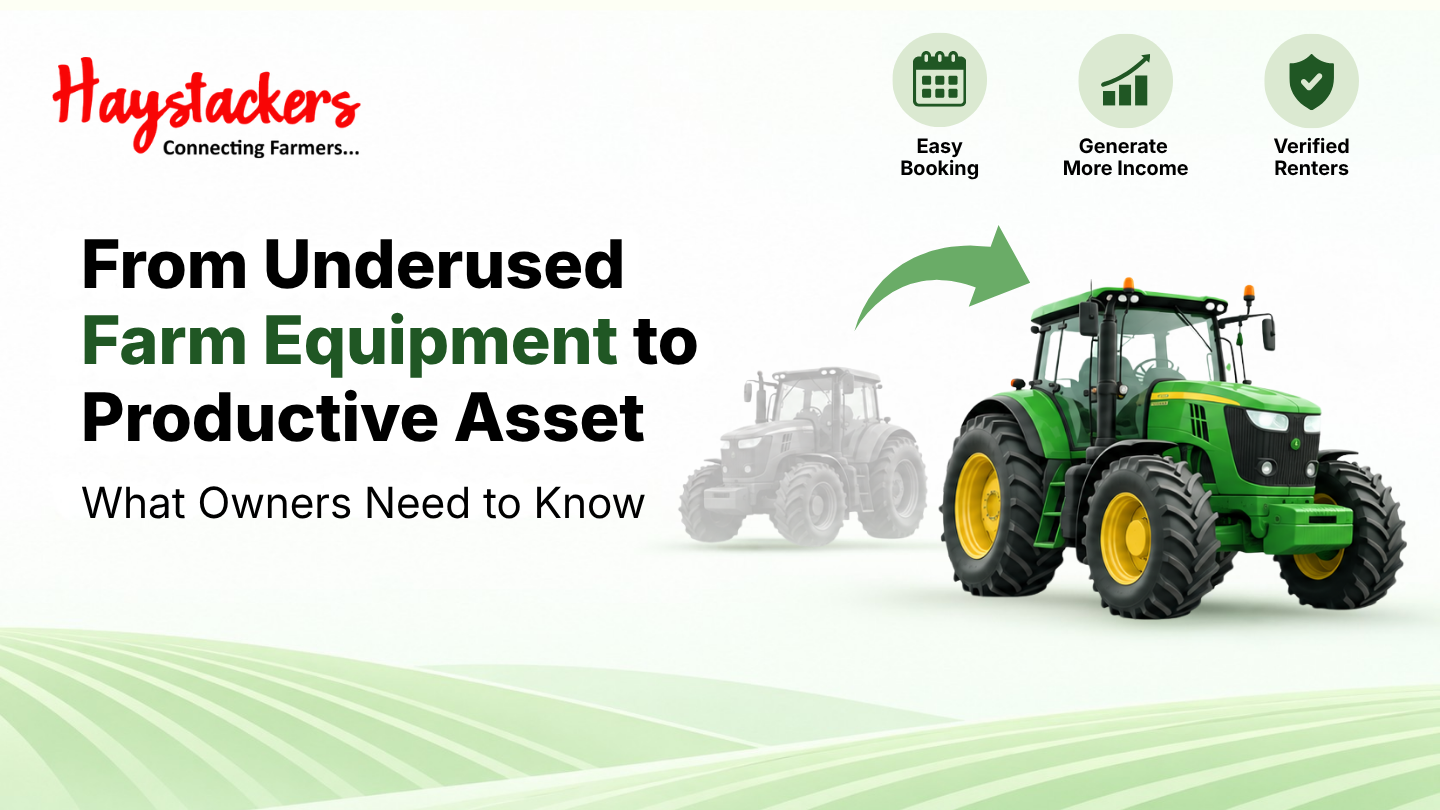
This scenario is where renting changes the math entirely. Instead of tying up capital in a machine you'll use for a few weeks a year, you pay only for the days you actually need it. No loan. No depreciation headache. No scrambling to sell used equipment when your needs change.
Renting also means you're never stuck with outdated
technology. Equipment gets better every season — more fuel-efficient engines,
smarter attachments, better yield tracking. When you rent, you get access to
newer machines each time instead of nursing a ten-year-old model through one
more harvest. When you're ready to stop overthinking it, you can find
your perfect farm equipment in minutes and get straight to work.
Rental fleets today aren't limited to a couple of tractor models. When you rent, depending on your operation, you can often:
Matching the Machine to the Job
The trick isn't simply renting a tractor. It's about
renting the correct tractor for the job. While a 40hp compact tractor likely
won't get the job done when you're performing heavy tillage on your 200 acres,
a large row-crop tractor would likely be excessive when mowing down a 2-acre
orchard. The best tractor rental platforms will let you choose a tractor based
on horsepower, attachment compatibility, and the work you'll be doing, so you
can make an informed choice and avoid paying for features you won't use.
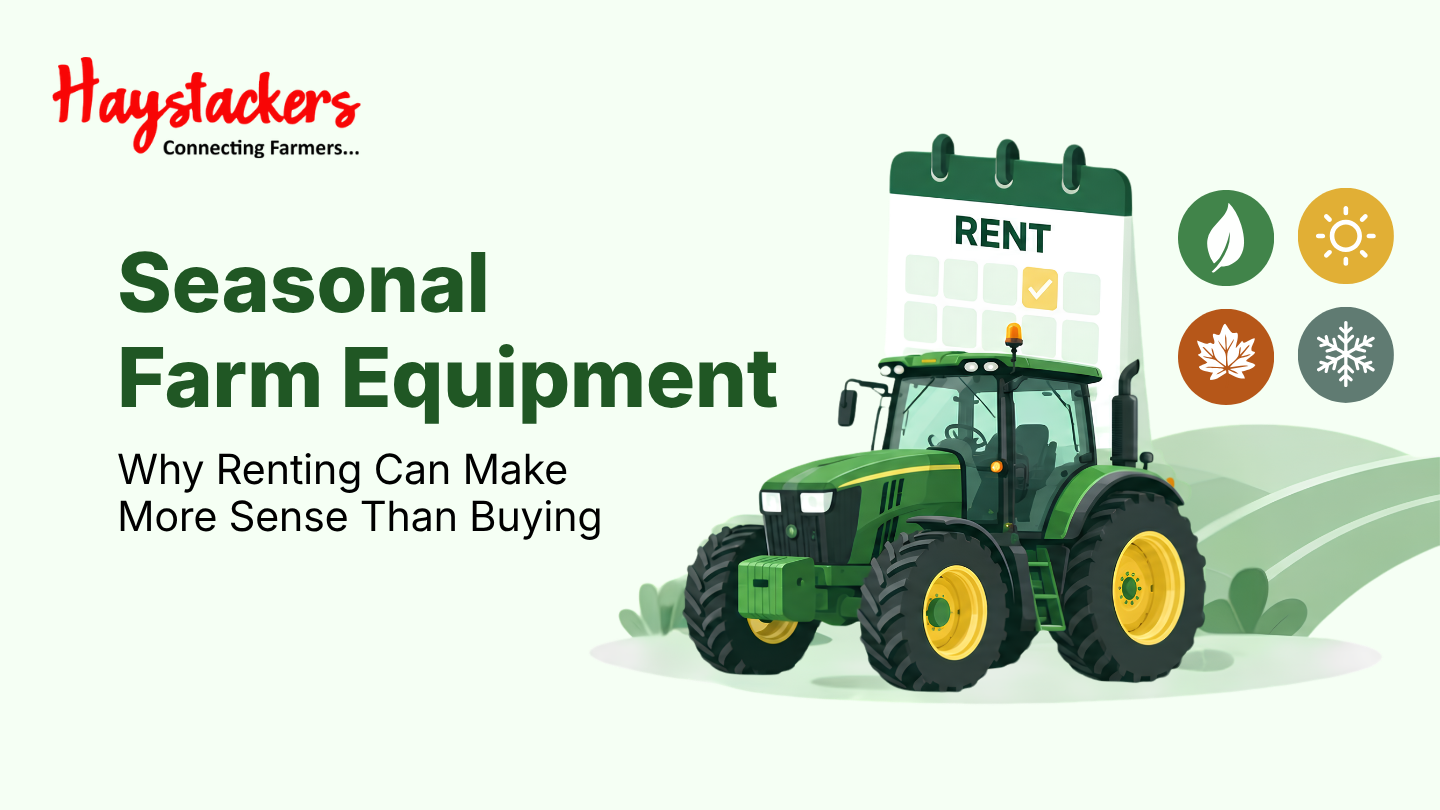
Farming is seasonal by nature, but ownership isn't. That mismatch is one of the biggest quiet frustrations farmers deal with. You need a combine for three hard weeks in fall and a planter for two weeks in spring — but if you own both, you're paying for them all year long.
Renting flips this equation completely. Need extra
tillage equipment during a tight planting window? Rent it for that window. Need
a second tractor during harvest because your usual one is tied up baling? Rent
one for the week. This kind of flexibility means you can scale your capability
up or down with the actual rhythm of your farm, instead of being locked into
whatever you bought three years ago.
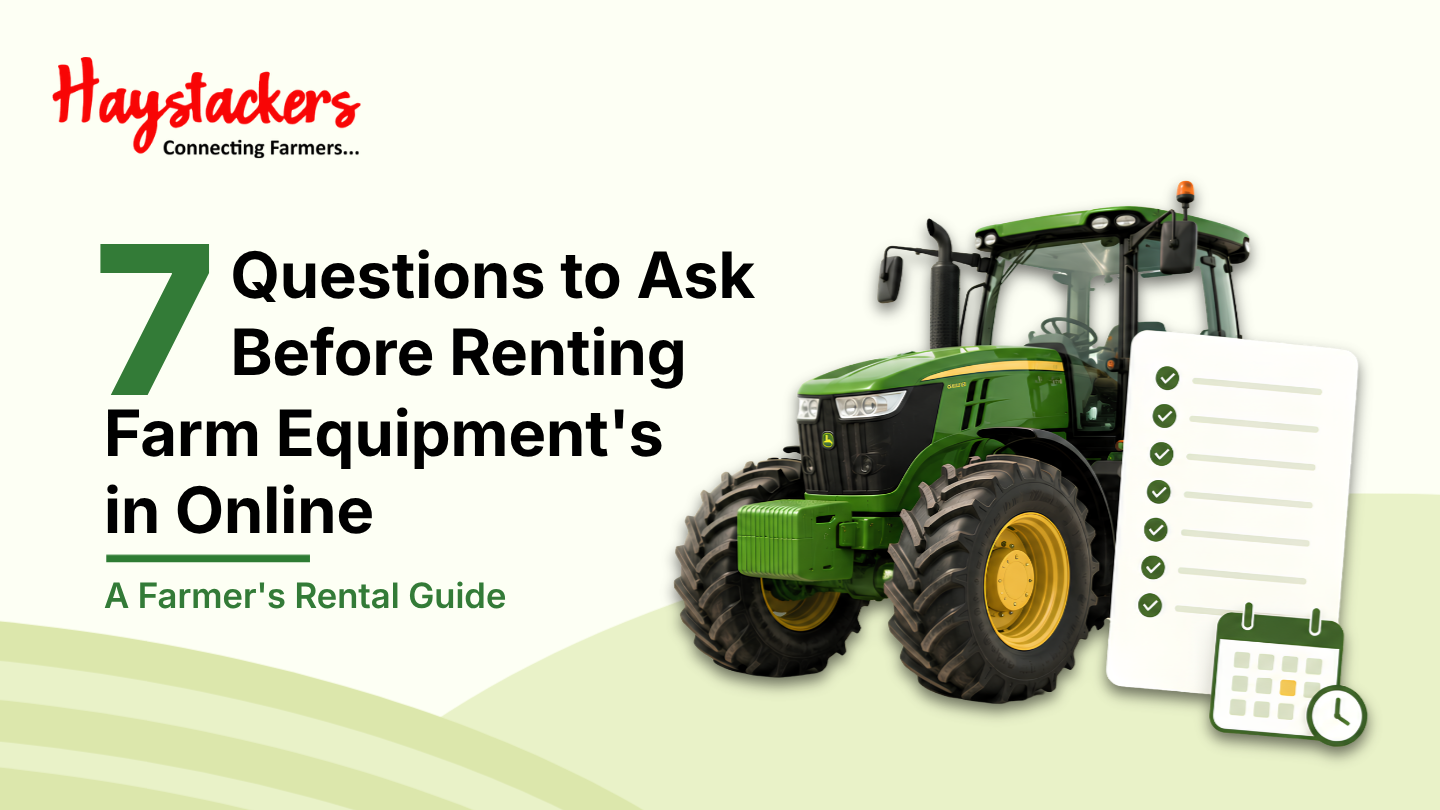
Getting good results from rental equipment isn't complicated, but it does help to have a process:
1. Know your job specs — acreage, soil type, attachment needs, and timeline.
2. Check availability early, especially during peak planting or harvest windows when demand for tractor rental services in US locations spikes fast.
3. Inspect before you commit — ask about maintenance history and recent servicing.
4. Confirm delivery and pickup logas hauling heavy equipment yourself can take upats into your working hours.
5. Review the details of the fuel policy, damage terms, and overtime charges.
A little homework upfront saves a lot of frustration
once the machine is on your land.
Gone are the days of calling around to five different dealers hoping someone has a free tractor. Farmers now expect the same convenience they get everywhere else-browse, compare, book, done. Being able to rent agriculture machineries online in US means you can check specs, pricing, and availability from your phone before you've even finished your morning coffee.
This shift matters more than it seems. It gives
farmers real bargaining power. You can compare machines side by side, read what
other renters experienced, and lock in equipment for the exact dates you need —
no dealership small talk required.
Tractor Attachment Rental
Owning every piece of equipment your farm might ever need sounds practical, until you look at the idle machines, the loan payments, and the maintenance bills stacking up. Renting gives you the same field results with far less financial weight on your shoulders. It's a smarter way to farm, season after season.
Ready to work smarter this season? Know
more today.
1. Is it more cost-effective to rent farm equipment than to buy it long-term?
A: When purchasing equipment you'll only use a handful of times throughout the season, a rent-it-before-you-buy-it approach will generally be affordable in the long run than taking on a loan for a machine that sits in the barn for 3/4 of the year, and you'll also need to consider the cost of insurance, storage, and depreciation.
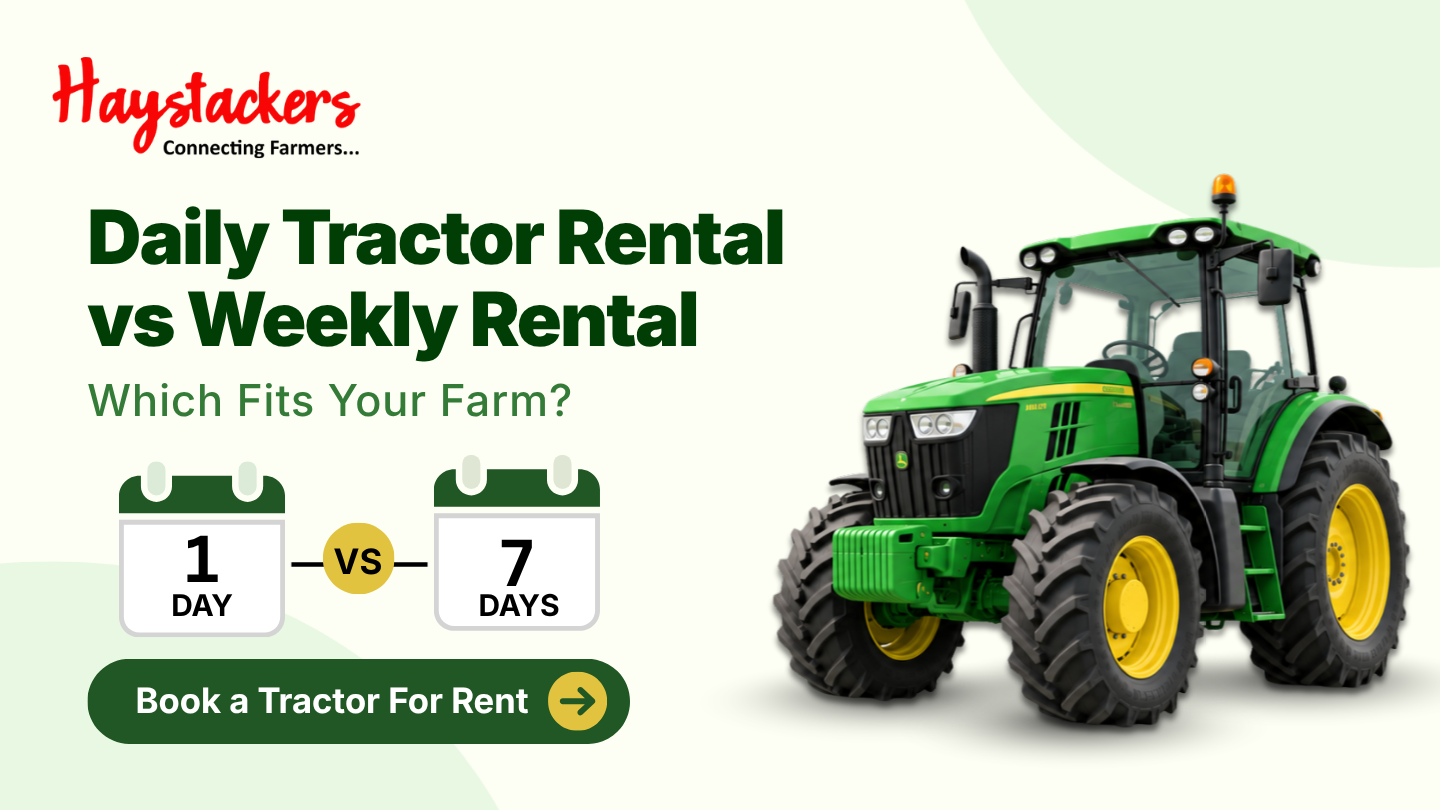
2. How long can I rent the equipment for?
A: Whether you have a quick three-day tilling job or an entire harvest season ahead of you, most rental companies will allow you to book the equipment by the day, week, or even month.
3. How do I know the rented equipment will be in excellent working condition?
A: Reputable rental platforms maintain and inspect their fleet regularly between rentals. It's always worth asking about service history and doing a quick walk-around inspection before you start using the machine.
More articles





Haystackers is a peer to peer community-based platform facilitating direct rentals of tractors and farm equipment from individual farmers to those in need.
© Copyright 2026. Haystackers. All Rights Reserved.


© Copyright 2026. Haystackers. All Rights Reserved.