Farm Equipment Rentals
Buying every piece of farm machinery you need can
quietly drain a farm's budget, especially for machines that only earn their
keep a few weeks a year. This blog breaks down when renting beats buying, what
to look for in a rental partner, and how a marketplace like Haystackers helps
farmers find and share assets without the guesswork. So, as you mull over
making a significant purchase this holiday season, here's a quick heads up
before you ever commit.
As a farmer, you have this discussion in every
planting and harvest. Should you purchase the machinery you need or find a
place to lease it? Equipment like a baler, seed drill, or tiller can cost tens
of thousands of dollars, while much of that equipment is sitting around the
shed for much of the year. That's money tied up in metal instead of working for
your farm. This matters because cash flow, storage space, and maintenance time
are all limited resources, and a poor machinery decision can strain all three
at once. In this blog, we'll examine the real costs of ownership, when renting
makes more financial sense, how tractor rental services in US regions
are changing the landscape for small and mid-sized farms, and how to choose the
right rental setup for your operation.
Buying a tractor, combine, or specialty attachment isn't just the sticker price. Financing, insurance, regular maintenance, gas, and then you take into account the devaluation that happens from the moment it pulls out of the dealer. Then factor in storing and maintaining it with all of your own labor, and suddenly, a piece of equipment that's used 3 times a year can cost thousands of dollars per hour of actual operating use - more than many realize.
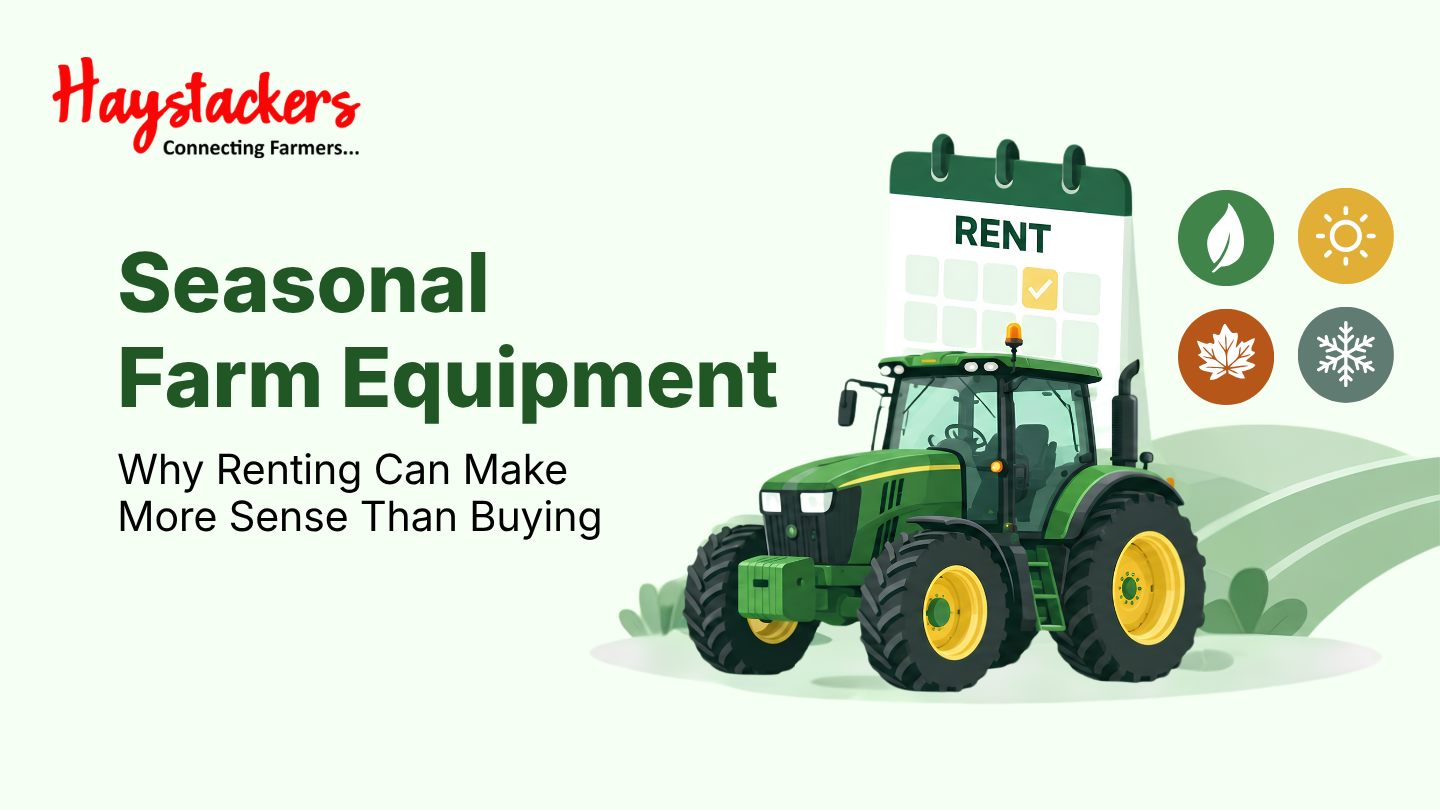
For seasonal tasks like tilling, planting, or baling,
this math rarely works in the farmer's favor. Owning a $40,000 up-front
investment and needing to pay for that during a measly 60-hour growing season
becomes expensive very fast. Rental only charges for the days you're using the
machine. Those daily-usage charges can add up over a few growing seasons to pay
back enough of savings that can go into your planting or soil.
There are several scenarios where renting typically makes the most sense. Which is all the more apparent when you're doing something with seasonality – say, like harvesting or spraying for the first and only time that season. That being said, it may also be advantageous when you are piloting a new variety of crops. Renting an implement lets you use what best fits your endeavor, so you avoid a lengthy financial commitment.
Lastly, consider renting when you have storage available or when your budget doesn't allow for an apparatus that year.
A rental makes sense if you use the equipment all year
long, if rates are always high where you're located or if the piece of
equipment is absolutely essential to your day-to-day operation. A big deciding
factor for me here was to be candid about how frequently the equipment would
actually run vs. sit on the trailer.
| Factors | Buying | Renting |
| Upfront cost | High | Low or none |
| Maintenance responsibility | Yours | Usually the owner's |
| Storage needed | Yes, the whole year | No |
| Flexible to try new implements | Low | High |
| Best For | Daily, year-round use | Seasonal or occasional use |
| Long-term cost for low-use machines | Higher | Lower |
This kind of side-by-side comparison is worth doing
for every major piece of tool on your list, not just once, but each season as
your needs change.
Almost anything with an engine or a working attachment can be found through rental farm equipment in US listings today, from basic tillers to specialized harvesters. Common categories include:
With rental operations like a farm that comes with
state-of-the-art maintenance for your farm equipment, you have access to the
newer model tractors, combine headers, and spray rigs on the market. Since
rental equipment is used much more than a small independent farmer might need,
it is sure to give you the dependability of being able to run it at its optimal
level.
Not all rentals are created the same. Before moving in, test yourself on these criteria:
1. Availability during peak season – confirm the resource is actually free when you need it, not just listed.
2. Condition and maintenance history – ask when it was last serviced.
3. Delivery and pickup options – find out if transport is included or your responsibility.
4. Insurance and liability terms – know who covers damage or breakdowns.
5. Pricing structure – daily, weekly, or seasonal rates, plus any required deposit.
6. Operator support – You can also check if manuals, training, or a helpline are available.
Checking this list before you book will eliminate
headaches down the road, especially if you're in a short harvest with little
tolerance for equipment downtime.
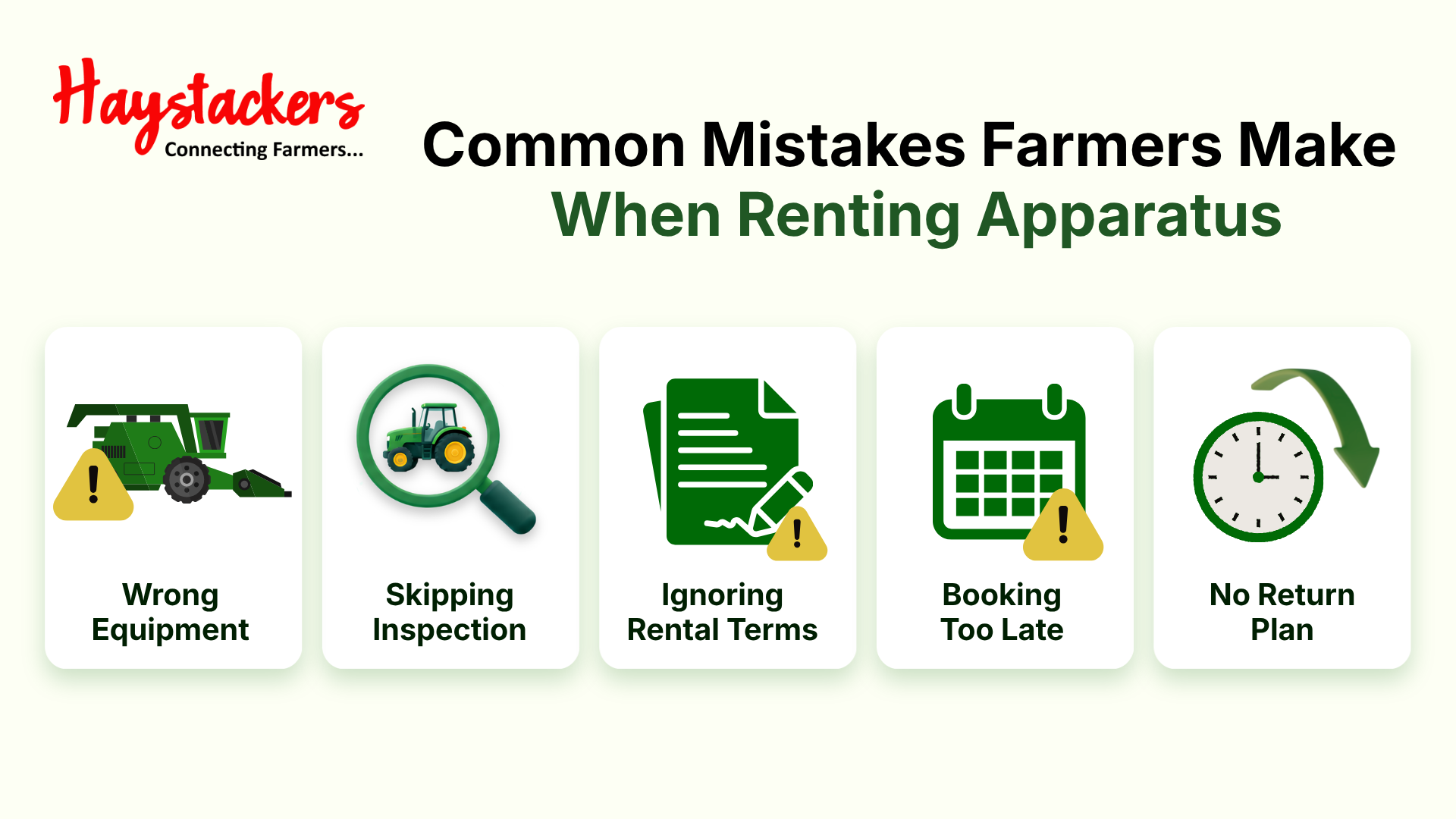
Even experienced operators run into avoidable issues. When you reserve a rental too close to the beginning of the boating season, many of the better models may have been taken before you got there. By omitting the pre-rental walkthrough, you risk encountering the dreaded pre-existing damage argument, and failing to ensure your boat is truly capable of what you want to do will make for a disappointing weekend on the water. If anything, the whole day of picking up your boat revolves around logistics and signing on the dotted line to agree to whatever you get.
Understanding the contract terms (and how to cancel) would help you avoid most of these situations.
Waiting too long, booking last minute, and failing to
clearly understand the boat's characteristics or features will trip the vast
majority of beginners and experienced users alike into booking an unsuitable
boat. Reserving early and talking to the boat owner directly before picking the
boat up will allow you to rectify most mistakes easily.
Tractor Rental Agency
Finding reliable farm equipment for rent in
US farming communities used to mean a lot of phone calls, drives to
dealerships, or hoping a neighbor's tractor was free that week. Haystackers
were built to make that process simpler by connecting farmers directly with
farm implement owners nearby, so you can compare availability, condition, and
pricing in one place instead of starting from scratch every season. It doesn't
replace the judgment you bring to your operation, but it does remove a lot of
the friction around finding the right machine at the right time, which matters
most when a harvest window won't wait.
If you own supplies that are spent most of the year
parked in a shed, listing it can offset your ownership costs while helping a
neighboring farm get through their busy season. It's a practical way to make
ownership work harder for you, without adding to your workload beyond the
initial listing. Learn more about list your equipment and see
how other farmers in your region are already doing the same.
Renting the seasonal farm equipment you need won't save you from having to cut some corners; for equipment you'll only be using for a few weeks a year, it is quite possibly the more economical and efficient route. Honestly evaluate how much you will use a piece of equipment and do the math before you purchase. Refer to the above list. Even though it might mean you will have a harvester all yours for one glorious week.
Ready to get started? Find equipment near
you today.
1. Is borrowing machinery cheaper than owning it long-term?
A: For occasional or short-window tasks, yes, in most cases. Once you factor in interest, upkeep, depreciation, and a shed to park it in, an occasionally-used machine usually costs more per hour than a short-term booking would.
2. Is short-term borrowing a good fit for a small operation?
A: Yes. Smaller acreages often benefit the most, since the per-day cost of a specialized machine can be shared across many growers instead of sitting unused on one property. This keeps startup costs low while still giving newer operators access to the same tools larger neighbors rely on.
3. Can a first-time borrower get the same deal as an experienced one?
A: Generally, yes. Pricing is usually tied to the machine, the season, and the length of use, not the borrower's history. First-timers just need to compare a few listings, ask the right questions, and confirm pickup logistics ahead of time.
More articles
Wednesday | Jul 15, 2026
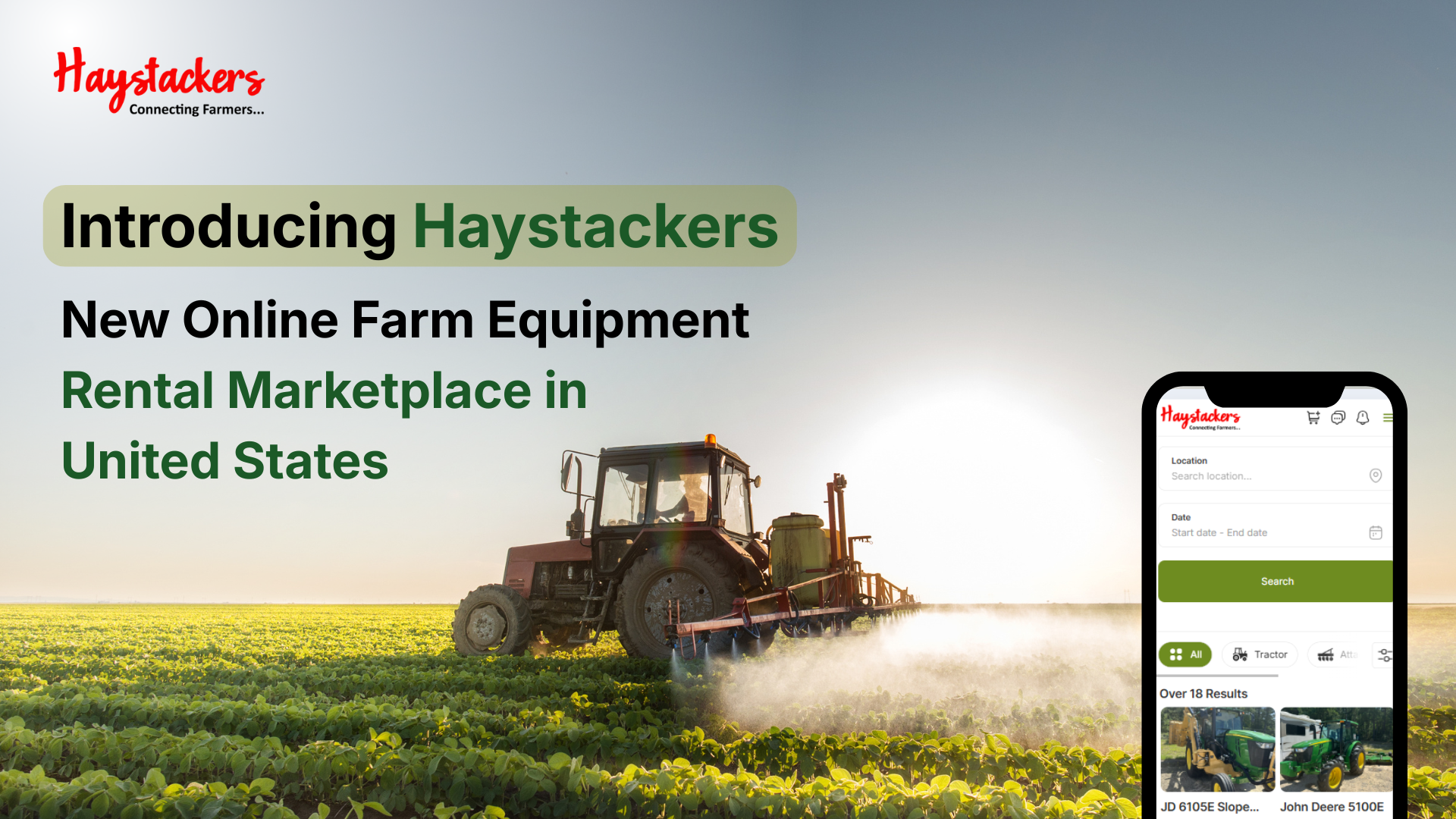
Introducing Haystackers: New Online Farm Equipment Rental Marketplace in United States
Discover Haystackers, the new online marketplace that connects farmers with affordable farm equipment rentals across the United States, making access to machinery faster, easier, and more cost-effective.
Read Article






Haystackers is a peer to peer community-based platform facilitating direct rentals of tractors and farm equipment from individual farmers to those in need.
© Copyright 2026. Haystackers. All Rights Reserved.


© Copyright 2026. Haystackers. All Rights Reserved.