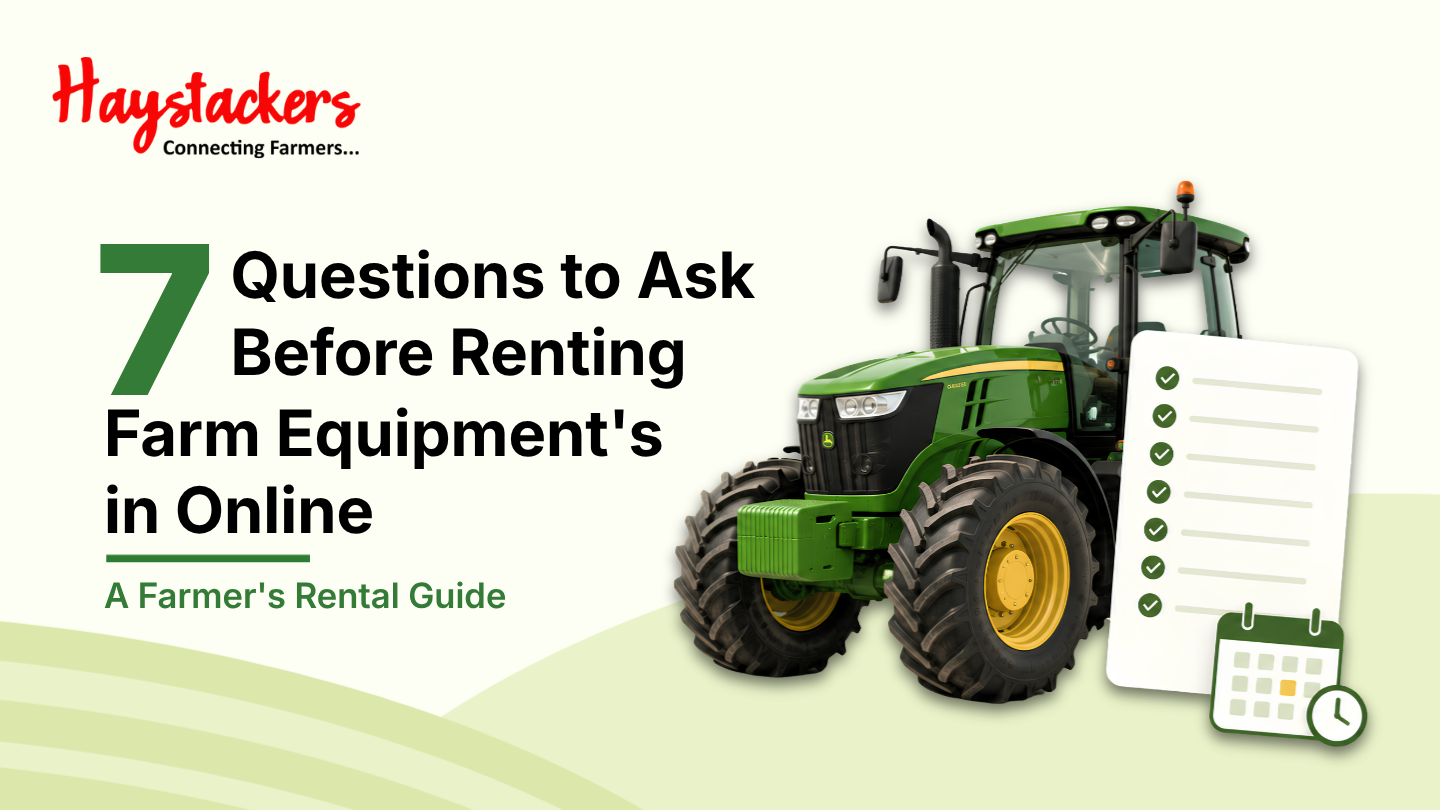
Farm Equipment Rentals
Farmers can avoid large capital investments and get
access to the perfect equipment by renting farm machinery online. When booking,
farmers should not forget to inspect machine condition, insurance, pickup,
operating range, and return policy. The below-listed seven questions from the
experts will help farmers plan ahead and reduce the probability of unforeseen
expenses.
New farming enterprises now generally rely upon multiple and distinct tractors and machinery types to seed, grow, spray, reap, and transport raw commodities. Acquiring an entire fleet can also be economically impossible for small and medium-sized and even some large seasonal and diversified crop enterprises. Online rental marketplaces provide a convenient alternative by connecting machinery owners with local producers who need dependable tools for a limited period.
Before beginning any comparison of tractor
rental prices in US or any country for that matter, you, the customer,
need to look beyond the quoted daily price of the machinery. Fuel surcharges,
insurance details, operating hour stipulations, fuel policies, and damage
coverage can significantly alter the cost of your rental and, ultimately, lead
to unexpected costs nobody wants. Asking questions beforehand will help bring
transparency and eliminate disputes while planting seeds for a successful
time-sensitive agriculture season. We hope Haystackers has armed you with all the
essential knowledge needed to successfully launch and expand your rental
marketplace.
Success in a new rental comes from clear communication and asking many questions before signing the contract. The right information helps growers avoid hidden fees, operational delays, and disputes over machinery damage. Furthermore, it is reliable, as any selected machine could be vetted through it. Here are 7 questions to help you take control and confidently finalize your rented equipment.
1. How Well Has the Equipment Been Maintained?
Before you commit to taking any used farm equipment for yourself, go ahead and ask the seller to report the machine's condition from a mechanical perspective, in addition to some current photos and videos. Also ask when it was last serviced and how many hours the tractor has on it. You will also want to be informed of anything regarding the tire tread, when the oils and filters were last replaced, whether anything was replaced, whether it had any motor issues, or whether there were any dash warning lights. If equipment is properly serviced, you will see much less unplanned downtime, no matter whether you are deep within the plant, at the height of the harvest, or any other aspect of the operation.
As if possible, see the machine in person or set up an in-depth video overview before agreeing to buy. Do a walk-around and visually verify it does not leak hydraulics, the hoses don't show wear, the tire tread is in decent condition, and connections look sound. You will also want to check out engine sounds for any abnormalities and verify whether the attached equipment is all right. If this happens, be sure to take lots of pictures and videos of dents, dings, scrapes, scratches, and any other imperfections so you're not blamed for dents that were made long before the merchandise even touched your hands.
2. Who Handles Equipment Delivery, Transportation, and Return?
If you need rentals transported across state and county lines, the delivery can raise the price significantly. Determine whether the tractor rental in US agreement includes delivery by the owner or whether the service is at the renter's discretion. Discover if the renter is expected to transport, unload, and load the equipment. Make sure in writing if any additional charges like loading, permits, surcharges, and transportation of equipment back apply.
Request the estimated time of arrival/pickup as well, since a bargain rental won't be very useful if you need to meet a specific time or condition and the implement you're renting arrives long after your opportunity has passed.
Double-check that the transport vehicle can handle the weight and that it has enough appropriate accessories, such as ramps, tie-down ropes, and a trailer, for the size of machinery being transported.
3. What Do the Insurance and Liability Policies Cover?
You can never just assume your personal agricultural policy covers your rented equipment. You need to inquire if any damage caused during a rental event, including vandalism, fire, rollover, theft, and accidents, is included, as well as third-party bodily injury and property damage, along with in-transit loss. Before you even sign for the equipment, you must verify any terms, limitations, or deductibles. Review the rental contract for conditions related to the owner's liability for operator error, use on unsuitable terrain, modifications, or unauthorized operation.
Haystackers discusses rental insurance for all rented equipment, but you must ask to see the terms and conditions of any rental. It's always best to have any guarantee or explanation in writing rather than accepting any verbal commitment.
After reviewing these first three areas, compare the complete cost of farm equipment rental in US, not merely the displayed base rate. A transparent quote should account for delivery, insurance, taxes, deposits, usage allowances, and any additional service charges.
4. How Do You Define and Track “Rental Hours”?
“Rental hours” may refer to calendar time, engine-meter hours, work shifts, or a combination of these measurements. Say it's a one-day rental; you get eight hours of usage while the machine stays with you for 24 hours, says the document specifying usage. Ask what the included daily allowance is and what the overcharges are.
Photograph the engine-hour meter when receiving and returning the machinery. If an online platform records usage digitally, confirm how both parties can access that information. Renters should also ask whether transportation, warm-up, idling, cleaning, or testing counts toward the permitted operating time.
5. What Is the Protocol for Breakdown and Field Repairs?
A forgotten minute during that ever-so-precious margin between when you need to plant or harvest and when that opportunity passes will cost you—potentially thousands of dollars. Determine who you're going to contact when you have problems; how quickly you should receive a response; whether you will have access to a dealer mechanic; or whether a spare part house unit is kept in stock. Also make sure to get the distinction between "breakdown" and accidental damage as a result of misuse or negligence.
The owner or marketplace must give you written approval before performing any large repairs. You will need to clarify who is responsible for repair bills; new parts; trip and installation expenses; and tows, as well as whether you will be compensated for your loss of rental availability. And, of course, whether rental charges will stop accruing and whether you can postpone your booking for a short time at no cost.
6. What Are the Cleanliness and Fueling Return Requirements?
Owners commonly expect machines to be returned with the same fuel level and in reasonably clean condition. However, standards can differ considerably. Check if the rig is going to need to be hosed off, pressure-washed, blown clear of stover or detritus, sanitized, or gassed up using a certain mix of diesel or gasoline.
Provide details about cleaning fees charged if you miss adding fuel, or if there's excess mud, manure, vegetation, trash in the cab, blocked screens, etc. The cleanup requirements are particularly critical if your rental is transported from one owner to the next, as these steps can help prevent soil and crop contaminants from spreading. Always take time-stamped pictures of your rental in a cleaned-up condition and full of fuel when it's returned. Once the operational rules are clear, renters can learn about farm equipment's rental in online and compare suitable machines according to location, dates, job requirements, and availability.
7. How Do Extensions and Weather Delays Work?
It's hard to disrupt an agricultural schedule more than unpredictable weather can. Excessive moisture in the soil, heat, freezing temperatures, high wind, and torrential rain can leave you grounded for anything from a few hours to several days. Find out if those weather-induced delays earn you more generous scheduling, rental rate credits, or bonus extension days.
The agreement should explain how early an extension must be requested and whether another renter’s reservation takes priority. Please confirm the late-return charge and the process for updating delivery or collection arrangements. Understanding these circumstances will help the owner and renter agree on seasonal rental rates.
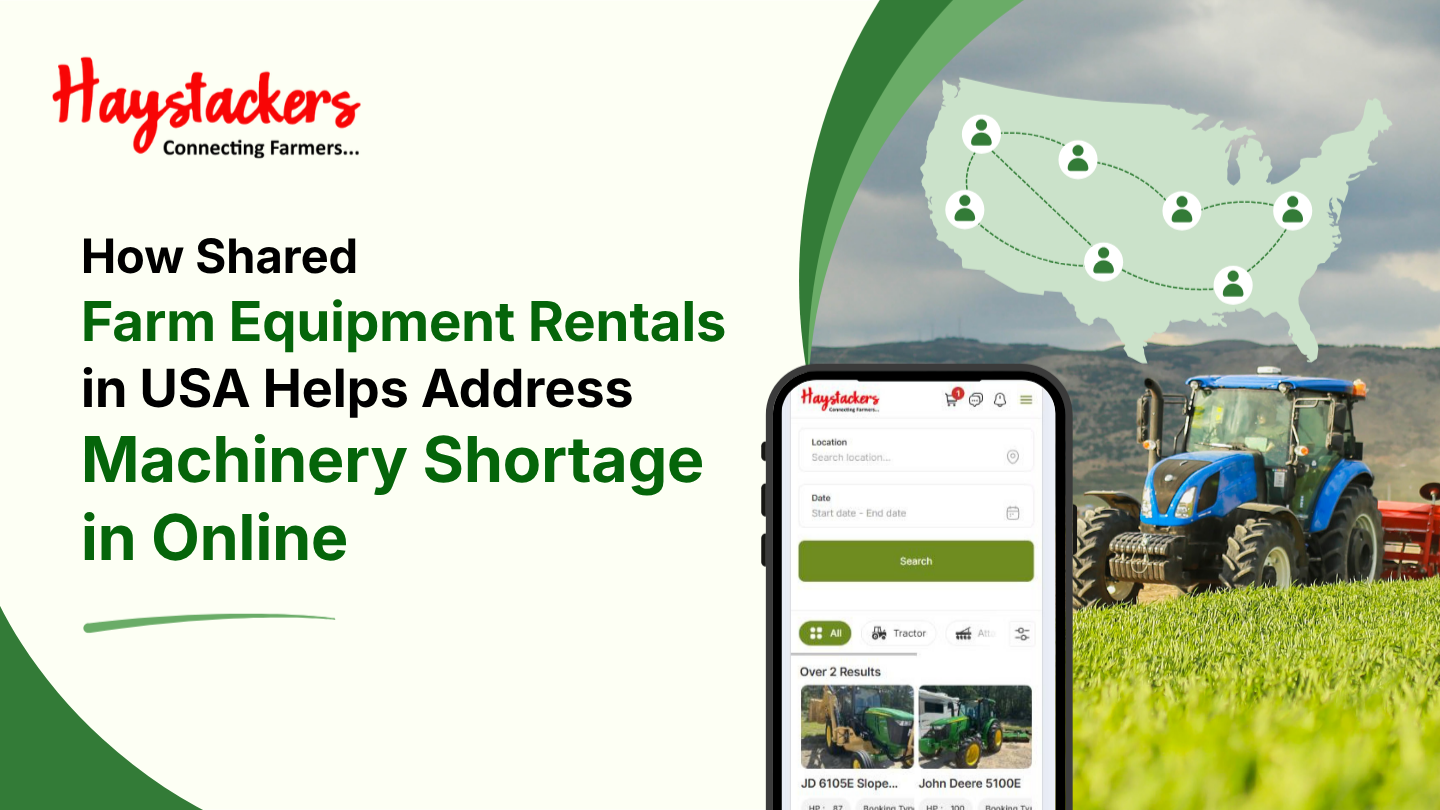
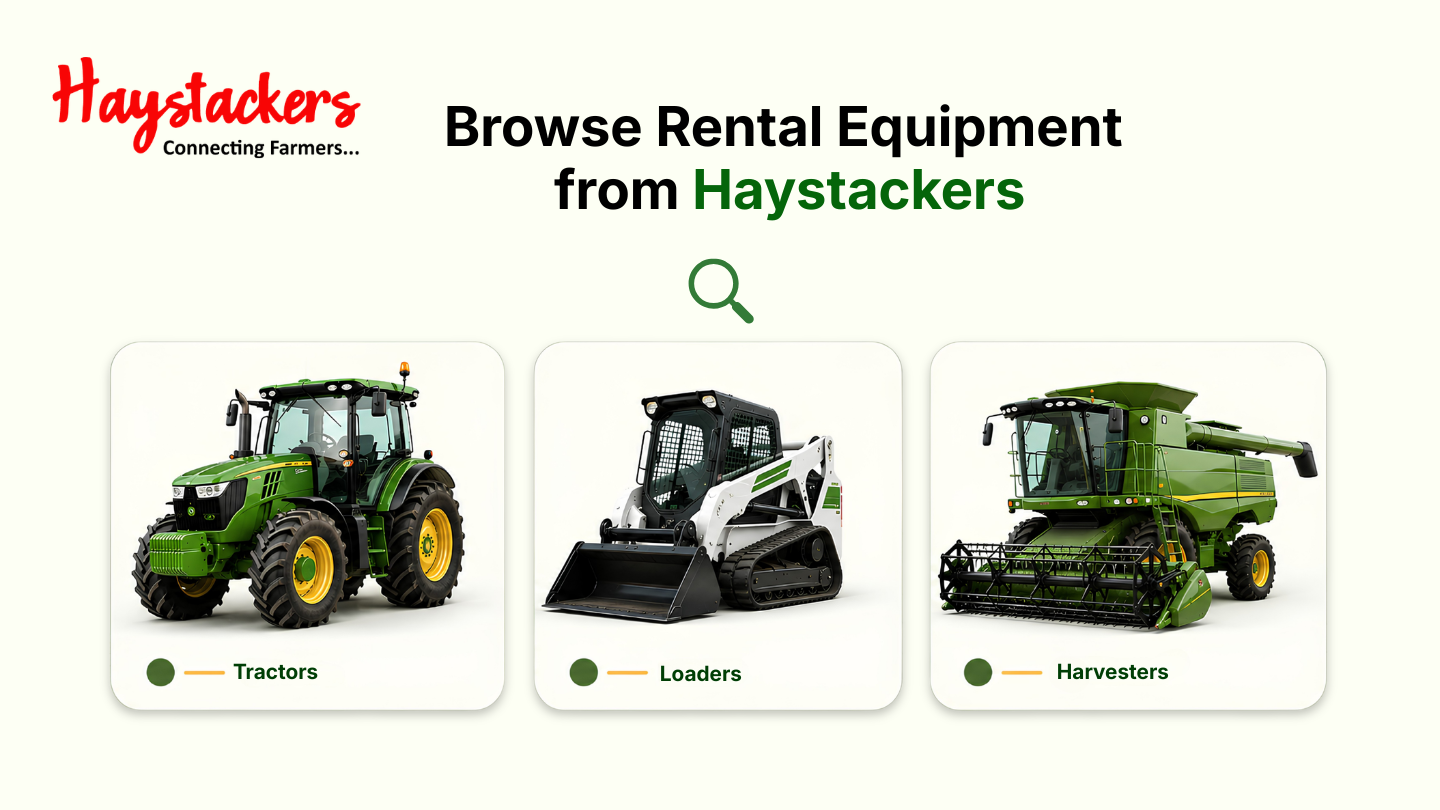
Farmers searching for machinery commonly encounter traditional rental providers such as Haystackers to explore a community-based model that connects renters directly with owners of agricultural and industrial assets. Via the platform you can search for locations and dates, then send a booking request and any questions, plus talk to them about extra attachments they may have.
Potential categories of farm machinery could involve tractors, harvesters, combines, planters, loaders, utility vehicles, attachments, drones, sprinklers, GPS displays, etc. Users might also be looking for machinery applicable to specific crops such as corn, wheat, soy, rice, cotton, hay, potatoes, and sugar beets.
Haystackers allows producers to decide if they want it
delivered or picked up (per listing). With localized rentals, we aim to help
renters find equipment close to home, while still giving owners an income
stream from equipment that wouldn't typically be active on its own. Each
listing contains its rate and specifications. Be sure to confirm each listing's
availability and check the rental terms and conditions.
Tractor Rental Services
Before you order any construction equipment, you first need to ensure you have:
Online agriculture machinery rentals can provide producers with faster and more cost-effective access to specialized equipment, without the initial and ongoing costs of purchasing it. But how does the right choice go from a rent-to-buy decision? That hinges on much more than the latest listing or featured daily rate.
RENT SMARTER, WORK BETTER
1. How early should I reserve agricultural machinery online?
A: Reserve high-demand machines several weeks or months before planting and harvesting periods. Early booking provides more choices and allows sufficient time to confirm transportation, attachment compatibility, insurance, and operator availability.
2. What documents may be required to rent a tractor or implement?
A: Requirements vary by owner and platform, but renters may need identification, payment details, proof of insurance, an operator’s license, or evidence of machinery experience. Review the listing and agreement before submitting the booking request.
3. Should I inspect a rented machine before using it?
A: Yes. Conduct a walkaround inspection, test essential controls, photograph existing damage, and verify fluid levels, tires, safety guards, lights, and hydraulic connections. Report any concern immediately and avoid operating a unit that appears unsafe.
More articles





Haystackers is a peer to peer community-based platform facilitating direct rentals of tractors and farm equipment from individual farmers to those in need.
© Copyright 2026. Haystackers. All Rights Reserved.


© Copyright 2026. Haystackers. All Rights Reserved.