Farm Equipment Rentals
Buying a machine or leasing it for a short period of
time is one of the most costly decisions a grower has to make annually. This
guide breaks down real numbers, clear decision triggers, and seasonal timing so
you're not guessing. You'll also see how a platform like Haystackers is
changing how US farmers get access to attachments without taking on long- term
debt.
It's the constant question through every season of
planting and harvest: Should I buy a machine or hire someone to do the work?
That choice will affect cash flow, storage, maintenance, and machine turnaround
time when the weather window arrives. Screw it up, and you either have an
instrument parked in your shed all year because you didn't need it, or you're
frantically searching for a combine to jump in while everyone else already has
theirs. This blog walks through actual cost comparisons, the situations where
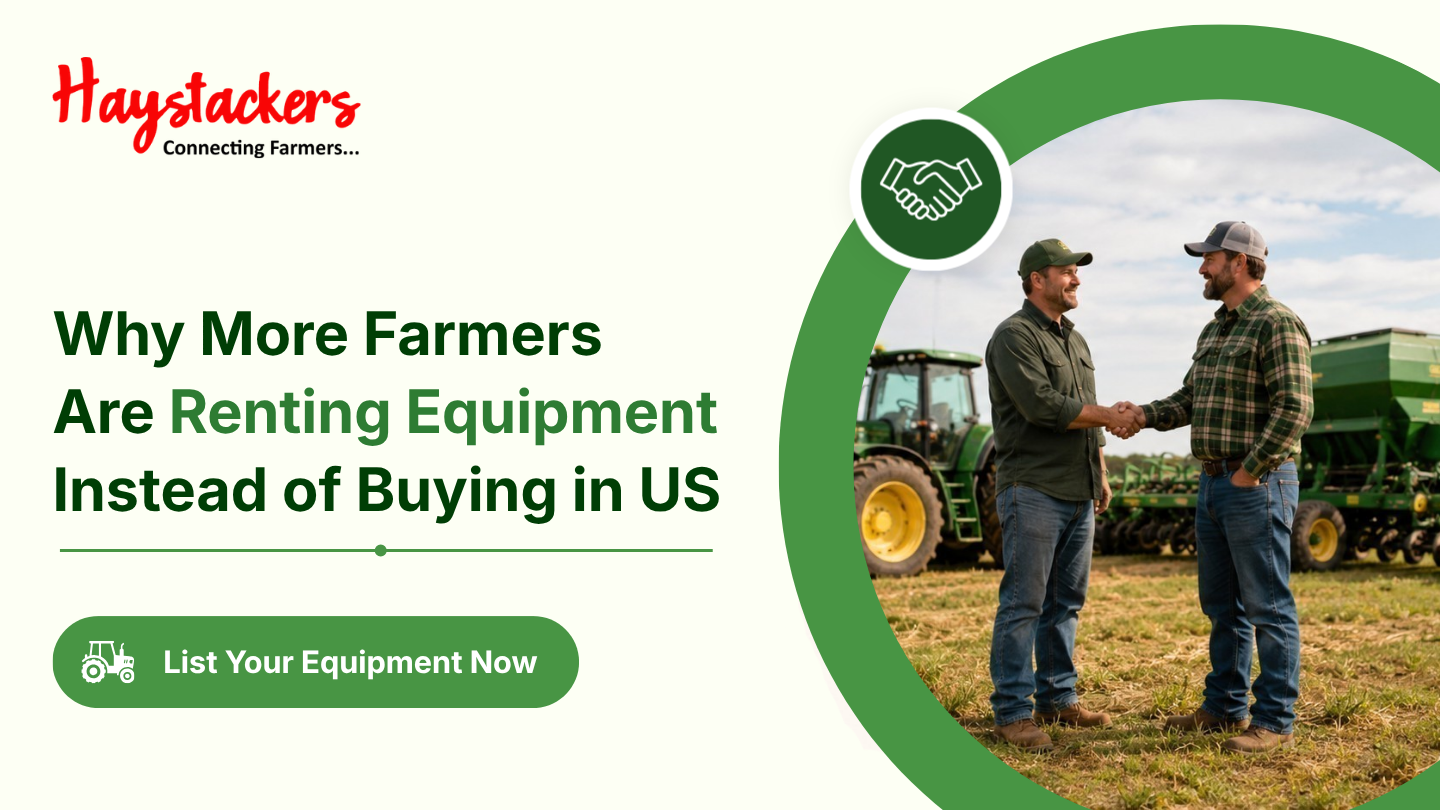
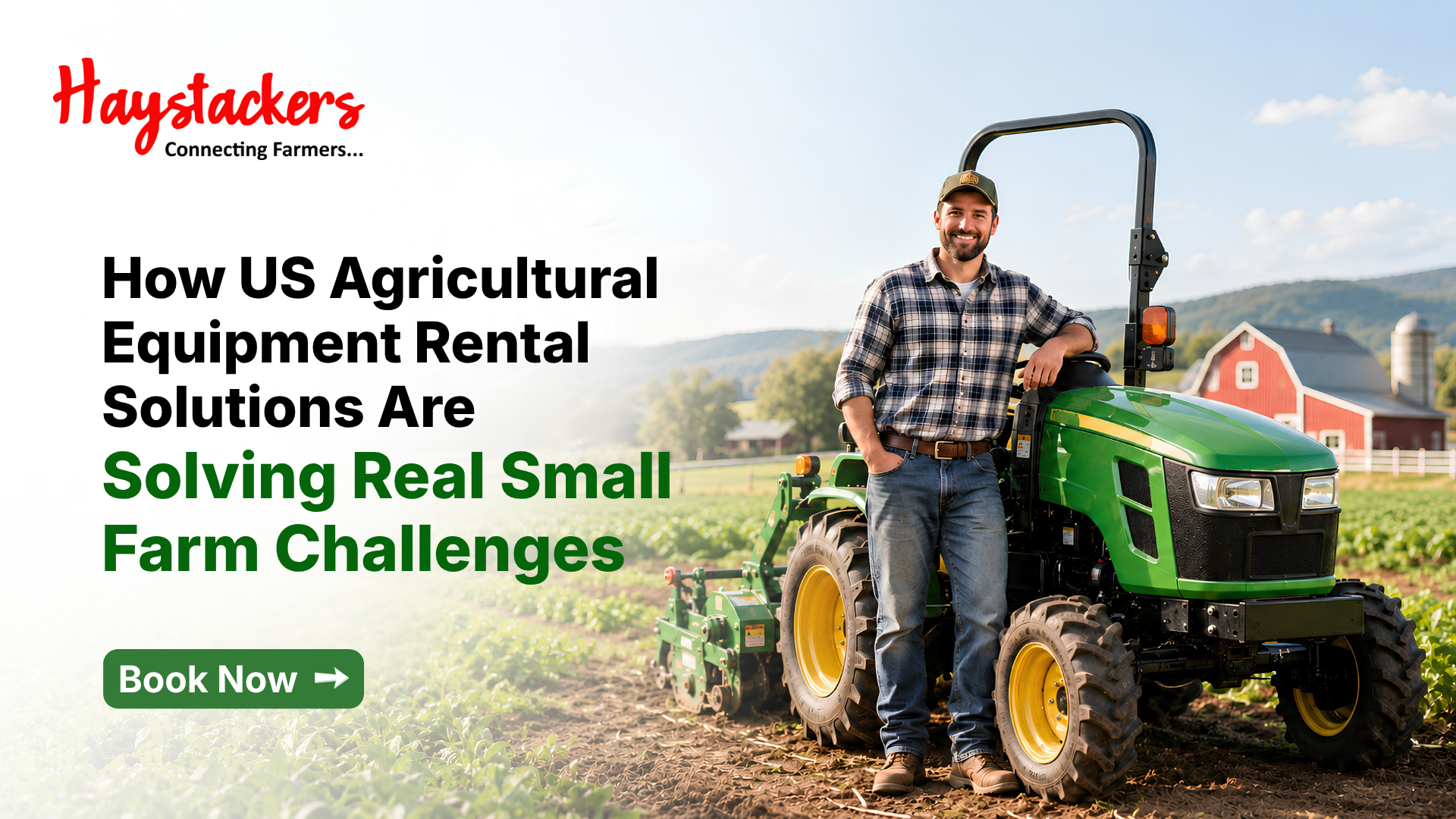
ownership still wins, and why farm equipment rental in US markets
has grown into a practical, mainstream choice for operations of every size, not
just a fallback for small growers.
A new mid-size tractor in the 90–120 horsepower range
typically runs $80,000 to $130,000, and that's before attachments, financing
interest, insurance, and annual upkeep, which USDA cost studies peg at roughly
3–5% of purchase price per year. A combine can exceed $400,000. Add in
depreciation, which hits hardest in the first five years, and many tools lose
40–50% of their value before a loan is even paid off. For a huge area of
operation using a tractor 25 days a season, the per- hour cost of owning
often runs two to three times higher than simply hiring one for the days
actually needed.
Ownership isn't a bad choice for everyone. If you're
running a device 150-plus days a year, need it customized with specific
attachments, or operate in a remote area where availability is unreliable,
purchasing gives you control and predictability. Larger operations, or
those running livestock year-round, often hit a usage threshold where
owning core assets like a primary tractor or baler pays off within three to
five years. The math shifts in favor of ownership once daily usage climbs and
downtime becomes costly.
For seasonal tasks like tilling, planting, spraying,
or one-off harvest support, bringing in an implement for a limited period
helps the farmers to win financially almost always. You skip depreciation,
avoid off-season storage costs, and free up capital for seed, inputs, or land.
It also lets smaller and beginning farmers access newer, better- maintained
implements than they could otherwise afford. A first-time grower testing 20
acres doesn't need a $90,000 tractor sitting in a barn eleven months of the year.
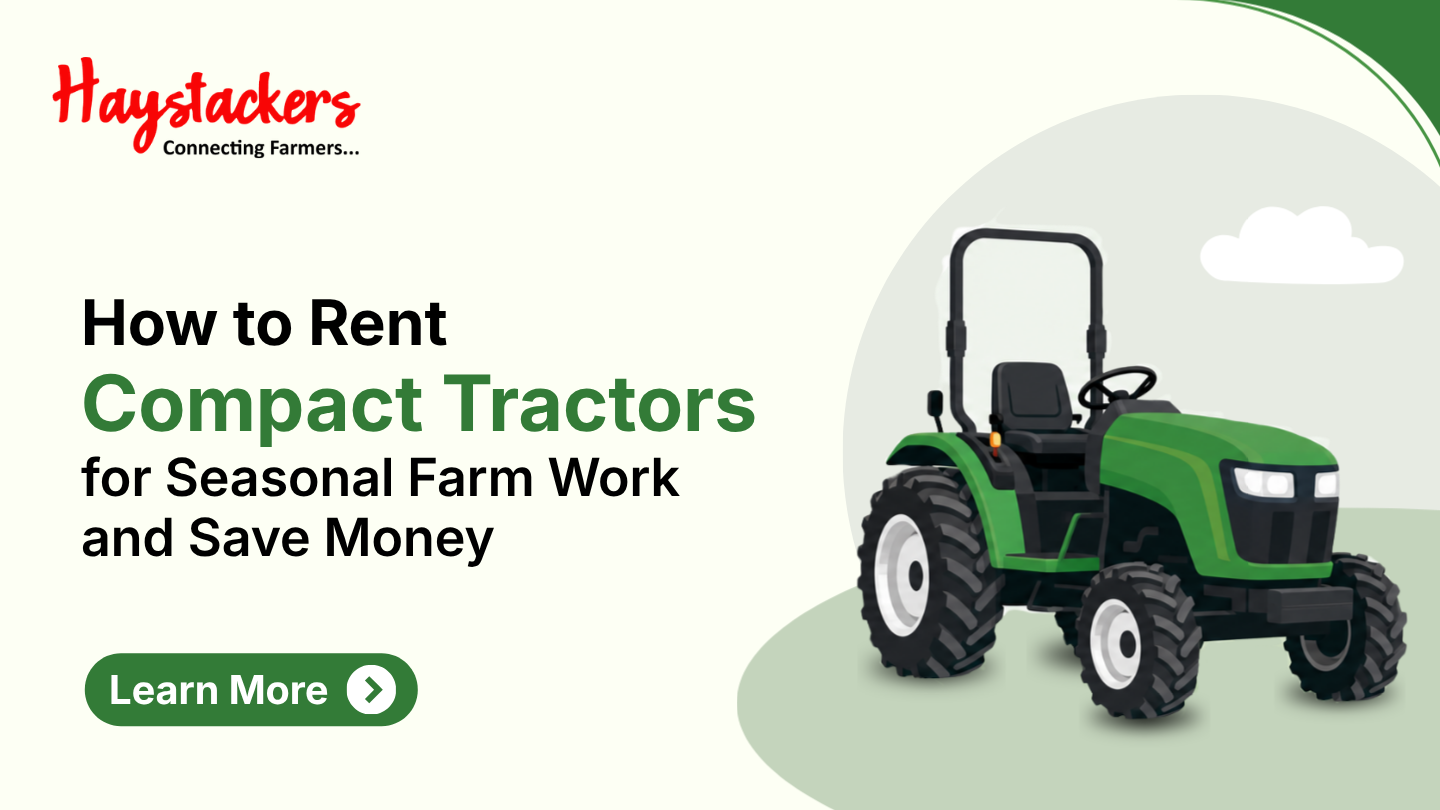
Demand for tractor rental services in US farming communities has climbed steadily as input costs and interest rates have risen. Farmers are increasingly comfortable sourcing implements for specific jobs rather than tying up capital in assets that sit unused most of the year. This shift isn't just about saving money; it's about flexibility. A grower can match horsepower and attachments to the actual job, upgrading to a bigger unit for a wet spring or scaling down during a dry, easy season without being locked into one machine's capabilities.
Seasonal demand spikes are real, too. Spring planting
and fall harvest windows can compress into just two to three weeks in many
regions, meaning a farm's busiest days require far more horsepower than the
rest of the year justifies owning. Bringing in extra machines during these
windows, rather than owning a larger fleet year- round, keeps overhead
manageable while still meeting tight planting and harvest deadlines.
Sourcing decisions used to depend entirely on local
dealer networks and word of mouth. That's shifted fast. Today, growers
can rent agriculture machineries online in US regions
where local dealer inventory is thin, comparing availability, pricing, and
specs from a phone or laptop before a single call is made. This matters most
during peak season, when local dealers' fleets are already booked and a grower
a hundred miles away might have exactly the attachment needed sitting idle.
Use these questions to guide the call:
Tractor Rental Services
Haystackers addresses the middle space here: farms
that don't want to go all-in on a purchase but also don't want to roll the dice
on a tight harvest window. Through its booking platform, farmers can search for
local equipment owners with tractors, tillers, sprayers, and other implements
to see what's really available and book them directly instead of calling around
to a number of dealers. It's not meant to compete with decision-making at a
higher level but rather to provide a more frictionless experience for when
you've decided that rent-not purchase-is the correct choice for a
specific task. If you're weighing your options for an upcoming season, it's
worth exploring the marketplace directly: know about farm equipment's
rental in online. Looking at existing listings, region-to-region rate
comparisons, and what's actually available locally can help answer that
buy-vs.-rent decision much quicker than any spreadsheet.
This is one of those questions where there is no clear right answer: It boils down to how frequently you'll need heavy machinery, how seasonal your workload is, and how much flexibility your business requires to manage those seasonal peaks. Large, heavy-duty, year-round equipment is one thing, but seasonal or specialty work may favor short-term access. Run the numbers against your actual usage days, not assumptions, and revisit the decision every few seasons as your acreage and workload change. If you've got idle devices sitting in your yard; there's also an opportunity on the other side of this equation.
List your equipment and start earning
today.
1. How many days per year does a machine need to be used before buying to make financial sense?
A: As a general rule of thumb, once usage crosses roughly 100–150 days annually, ownership costs typically start to undercut short- term access, though this varies by instrument type and regional pricing.
2. Can I access specialized attachments through short- term platforms, or only basic tractors?
A: Most online marketplaces, including Haystackers, list a wide range beyond tractors - tillers, sprayers, balers, seeders, and harvest attachments - since owners list whatever sits unused in their own operations.
3. Is short- term access only useful for small or beginning farmers?
A: No. Even large operations regularly bring in extra tools during peak planting or harvest weeks to cover demand spikes without expanding their owned fleet year- round.
More articles





Haystackers is a peer to peer community-based platform facilitating direct rentals of tractors and farm equipment from individual farmers to those in need.
© Copyright 2026. Haystackers. All Rights Reserved.


© Copyright 2026. Haystackers. All Rights Reserved.