Tractor Rental Services
Tractors aren't the only game in town anymore when it
comes to farming. Costs of farming resources are steadily rising, weather
patterns are unpredictable, and thanks to slick online marketplaces like
Haystackers, it's getting easier for farmers, large and small, to get things
done. We explore what's fuelling this change, how it's benefiting small to
mid-sized farms, and what platforms like Haystackers are doing to bridge the
gap across the nation. This is why many US farmers are ditching owning and moving
to renting. This shift is driving many US agribusiness owners to move from
ownership to renting.
Agriculture has always been about working smarter, not
harder, and that mindset has trickled into the way farm producers purchase farm
machinery. When farm owners purchase a tractor upfront, they set aside a lot of
hard-earned capital that they could use to buy seeds, labor, or land. For that
reason alone, tractor rental in US has been gaining traction
over the past few years. Cultivators are looking for flexibility, not a
ten-year loan for equipment they will only use a portion of the year, and
online rental platforms have provided a simple solution for flexibility that
shows no sign of stopping.
Buying new tractors and farming machinery is becoming incredibly expensive, and that is the reality. You can easily go into six figures when buying a mid-size tractor once you add the attachments and financing (not to mention the costs of the machine itself), insurance, and maintenance. That kind of purchase could cripple a small- or mid-size operation for many years before it becomes financially solvent.
On top of that, a tractor and its attachments sit around unused for many weeks throughout the year, mostly for the several-week period a machine might be needed to plant or harvest.
The depreciation of the tractor, the cost of storage,
and upkeep (maintenance) also make a tractor less of an asset than a liability.
Renting bypasses all of this math in a very significant way, which is the main
reason agricultural workers are becoming weary of buying it and keeping it
forever.
From a harvesting tool perspective, farming is far
from a full year-round, 7-day-a-week gig. For instance, you might need a beast
of a tiller in the springtime and a combine at harvest, and then you won't need
much more than a tractor to do work with the remainder of the year. The point
is probably obvious, but if you can afford to buy every piece of kit that might
be useful over the next year, you can expect to be buying bits of gear you
rarely use and let to rust in the shed for 11 months of the year. Renting means
you can pick exactly the piece of equipment you're going to use on that day.
It's been a decade since someone would have to visit
their nearest dealership with their fingers crossed to secure a tractor,
scouring the inventory of a dozen options with few alternatives within miles,
and leaving with a less-than-perfect fit. Now with rental marketplaces online,
producers can sift through listings with filters like their location, crop
needs, date range, etc., and confirm their tractor without leaving the cab of
their pickup - or the comfort of their couch. You no longer have to rely on just
one or two local dealerships; instead, you can see options across an entire
region and comparison shop in seconds. This same transformation has occurred
throughout many sectors, from booking a restaurant table to making travel
reservations, and for farming, it means fewer miles searching for resources and
more miles tending to the fields.
Of course, renting isn't just about avoiding one large initial buy. Rental companies will also help you avoid paying the countless hidden costs of ownership, such as maintenance, insurance, storing your machinery, and equipment malfunction that often occurs in the middle of the season. Most farmers using farm machinery rentals pay only for the days they actually use it, which simplifies planning and budgeting. It's especially useful if you run on tight margins and every dollar saved can go back to your other farming needs.
Before selecting a particular rental package, take a
few moments to shop around to get a sense of your seasonal rental options, like
by browsing tractor rental prices in US to see what a full
season of renting a machine typically looks like.
Now that the equipment rental industry has moved largely to an online-based platform, you are also starting to see an increased shift to peer-to-peer renting in the space. Neighboring farmers have started leasing out their idle machinery to save time and money, instead of venturing all the way to a large dealership to buy equipment. In this scenario, not only does the owner benefit from having their farm equipment generate rental income rather than collect dust in their shop, but the renter also gets to expand their search options to better equip themselves and receive the tools they may need at a fair price.
Beyond economics, it also helps build rapport between farmers who share common difficulties.
This is one reason online rental has experienced
accelerated growth. By placing idle equipment into the rental pool, the
equipment becomes a value-adding asset instead of an unreturned investment.
Large commercial farms can often justify owning a full
equipment fleet because they use it constantly. Small and mid-sized farms don't
have that luxury. For them, rental access can be the difference between taking
on a new crop or expanding acreage versus staying stuck with what they can
manage using older, owned equipment. The advantage of renting, in this case, is
lower operating risk for smaller producers, as they now have comparable
capability for less investment than a larger enterprise. Moreover, farmers can
experiment with more innovative and fuel-efficient technology without facing
the capital risk. This, in turn, allows for a more data-driven approach when
determining if new equipment is the right fit for individual farms and serves
as one of the most promising indicators that farm equipment rental
in US will have sustained momentum beyond large corporate farms.
Today, these rental platforms are not just marketplaces for listings; some of these companies now offer checked user profiles, renters with insurance, same-time availability for rentals, and customer service hotlines for sorting out any issues. This means you can trust the service, even if you have not met the person before. Instead of receiving hard cash, everything is processed through these apps, providing written and digital proof and adding a layer of trust when dealing with someone you have never met before.
As these assets become more common online, farmers can
feel at ease using rental machinery bought through an online portal instead of
investing in something they may use only a few times or borrowing it from a
neighbor. If you're new to this, it helps to learn about
farm equipment rental in online before your first booking,
just to understand how listings, insurance, and pickup or delivery options
typically work.
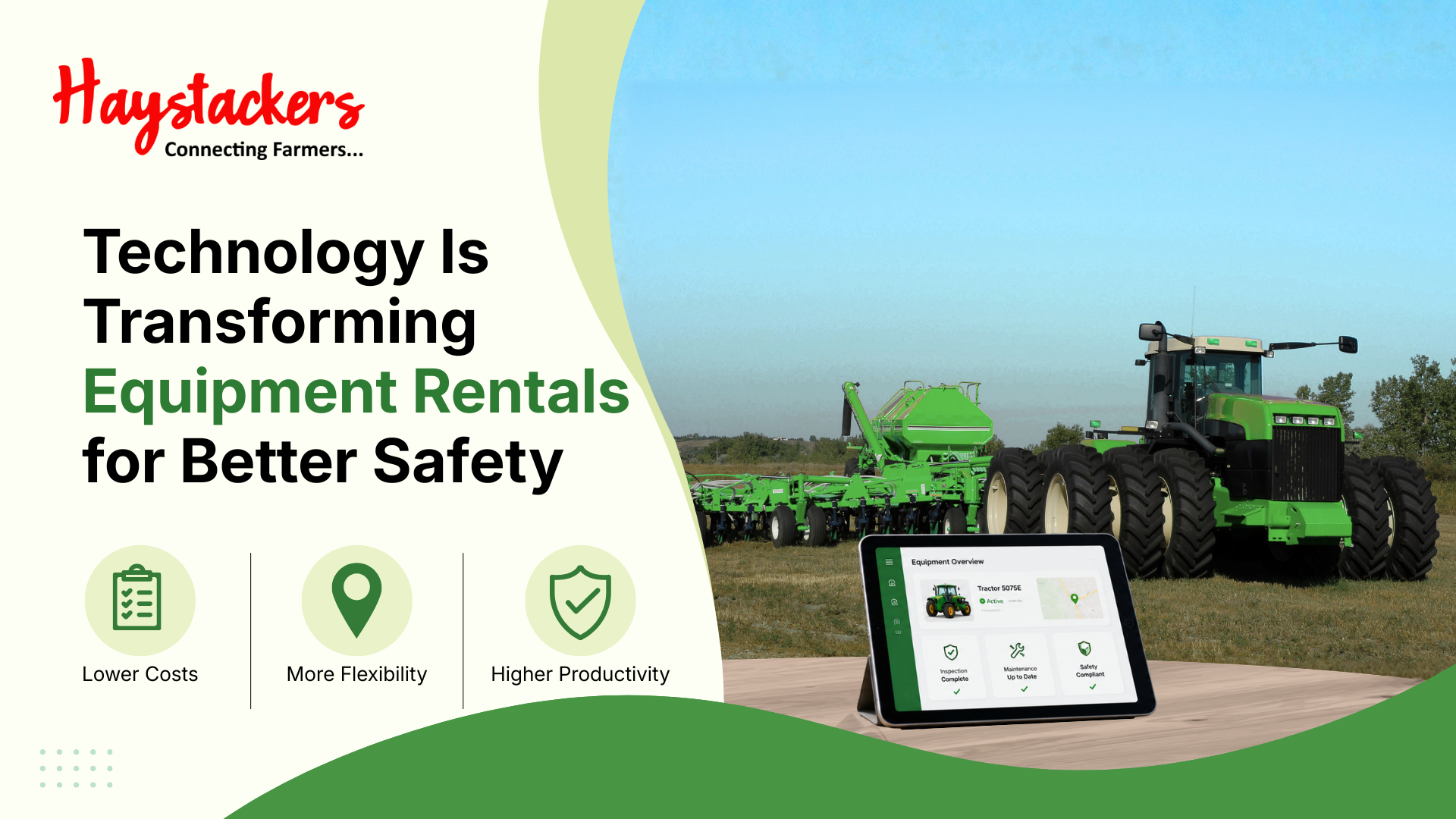
Farm Equipment Rentals
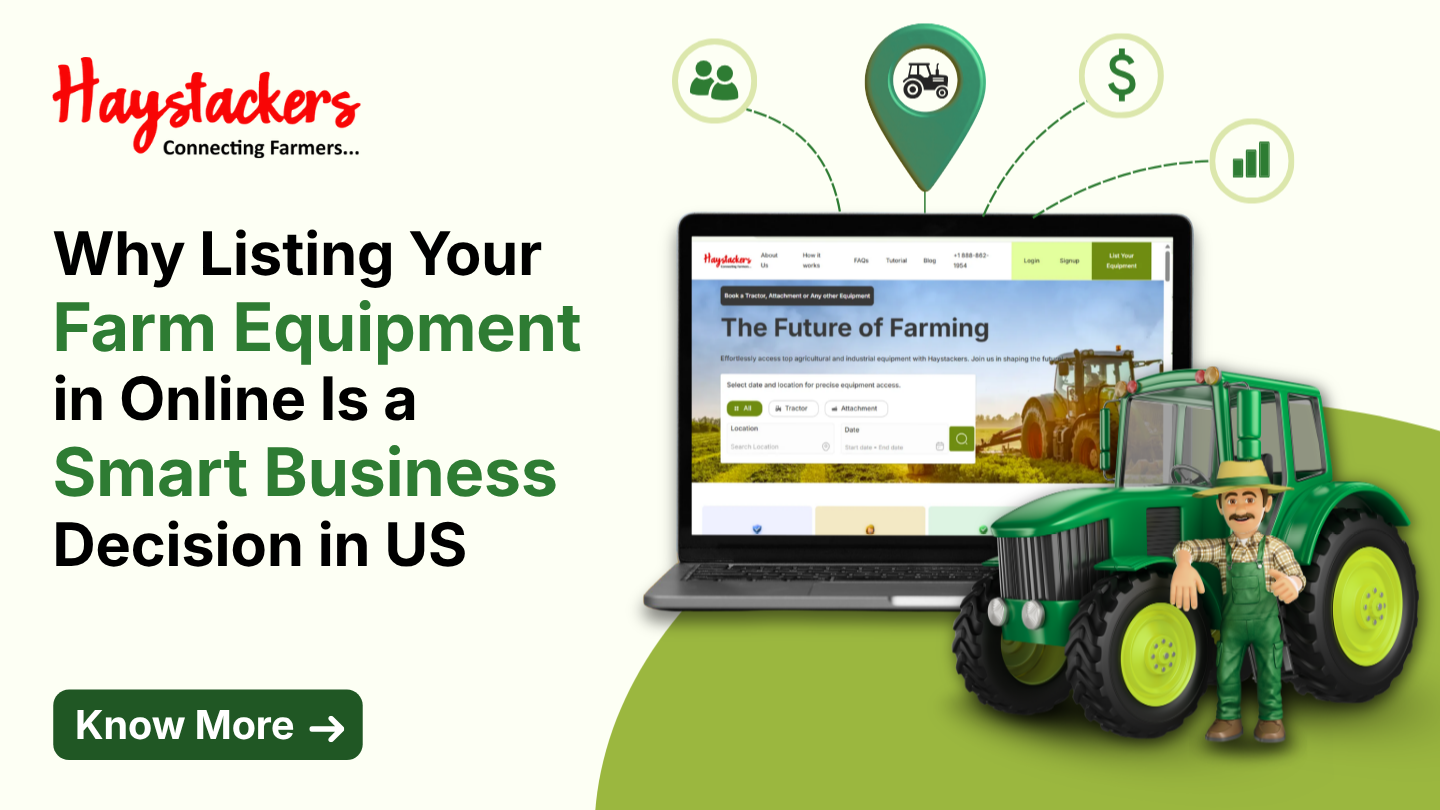
Haystackers has built its platform around exactly this
need: connecting farmers who own idle equipment with farmers who need it,
without the overhead of a traditional dealership. Our platform allows people to
list and rent tractors, attachments, harvesters, planters, and any other type
of farm equipment all around the most productive farmland areas across the US,
from Texas to California to Iowa and everywhere in between. Haystackers
differentiates itself from other offerings with its simple P2P nature and protections,
such as verified owners and renters, so that renters can trust their rented
equipment comes with insurance. Farmers can list the equipment they don't plan
to use each season and make rental income, while renters have simple and
convenient access to farming equipment rentals at their fingertips nearby.
Haystackers isn't just a listing site anymore; it's a farm-share hub that
continues to cultivate and care for the community and is part of why our
members choose Haystackers to equip them for the planting season.
This move towards the online rental of tractors and other farming equipment is not merely a temporary phase but an essential adaptation as costs go up, demand rises and fluctuates depending on the season, and farmers begin to recognize the need for greater flexibility and farm efficiency without having to buy everything on the farm to get the job done. Rental is slowly shifting to the more common and easier option than an emergency or backup choice for those farmers who understand that online marketplaces are now a dependable option through verified renters, insurance, and easy booking processes and will be for years to come. Consider it this year if you have any doubts about which option to pursue.
🚀Ready
to earn money from your idle equipment? List your tractor for free today!
Q: Can I save money on tractor costs by renting it?
A: Yes, usually for small to mid-sized farmers. This will depend on how often you'll be using it and how long during the season. If you're using it for a couple weeks at most, renting will be much cheaper. This helps you avoid costs such as loans, insurance, storage, and depreciation.
Q: How do I know a rented tractor is properly insured?
A: Reputable platforms include insurance coverage as part of the rental agreement, so you're protected in case of accidental damage during the rental period. Always check the platform's policy before booking.
Q: Can I rent out my tractor if I'm not using it full-time?
A: Yes. Many peer-to-peer rental platforms allow equipment owners to list idle machinery and earn income, a growing option for farmers looking to offset ownership costs.
More articles
Thursday | Jul 30, 2026
The Future of Tractor Rental in Smart Agriculture: Everything Farmers Need to Know
Examine how the future of smart agriculture is being shaped by tractor rentals. Discover the advantages, newest developments, and ways that farmers can obtain cutting-edge equipment without having to pay for it.
Read Article
Friday | Aug 7, 2026
The Future of Agriculture With Smart Farming Technologies in USA: Know More
Learn how smart farming technology are changing American agriculture. Find out more about how technology, precision farming, and sustainable solutions will affect food production in the future.
Read Article





Haystackers is a peer to peer community-based platform facilitating direct rentals of tractors and farm equipment from individual farmers to those in need.
© Copyright 2026. Haystackers. All Rights Reserved.


© Copyright 2026. Haystackers. All Rights Reserved.