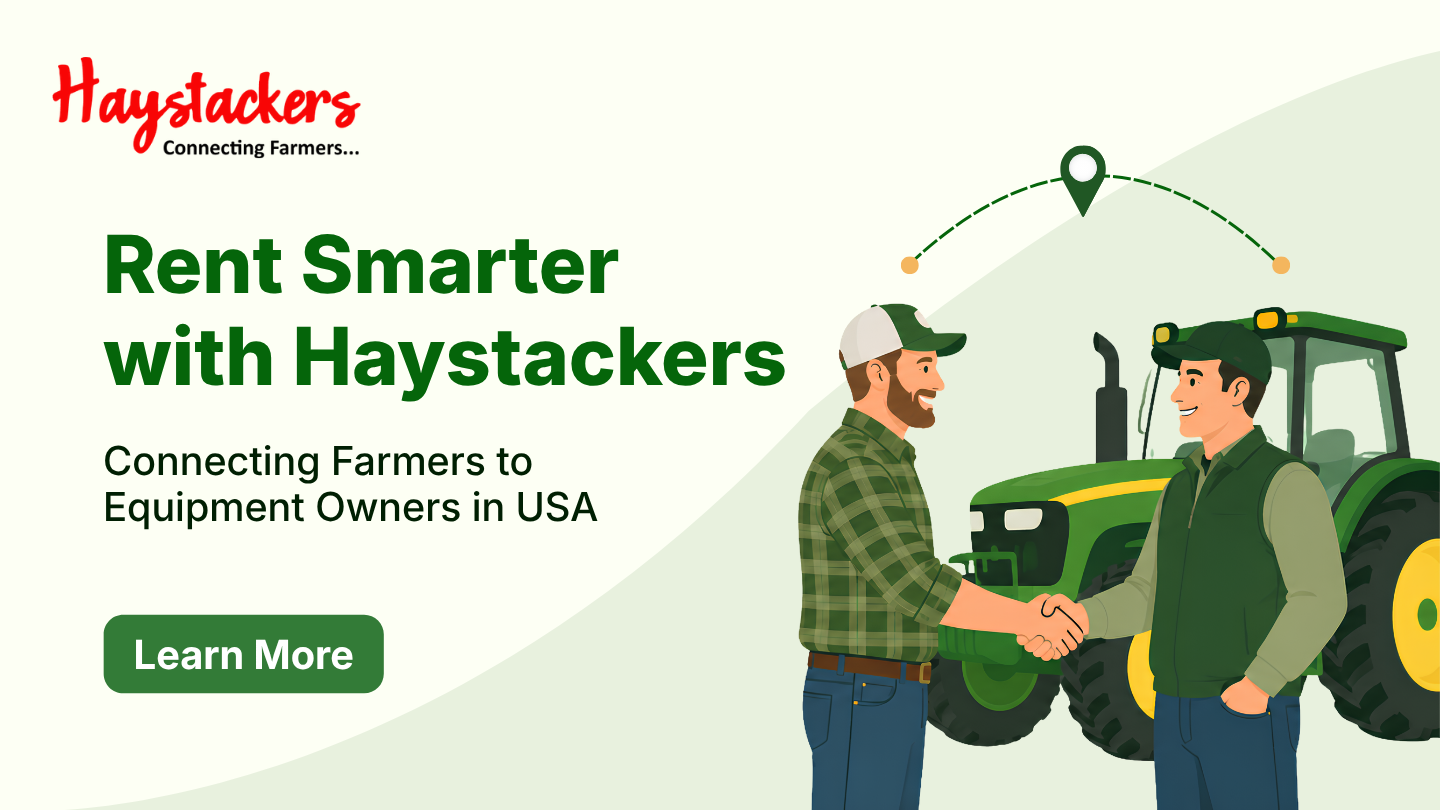
Rental Farm Equipment
Harvesting equipment and being in possession of the
right machine for the job is crucial on a farm. Haystacker is on hand to bring
these two forces of supply and demand, the farmer with the need and the
equipment owner with a readily available machine, together. The platform
supports simple discovery, direct coordination, and better use of idle assets.
This guide shows how smarter access can help both sides of a rental.
Farming never follows a perfectly predictable
calendar. A planting window can narrow after wet weather, a loader may be
needed for one urgent job, or an attachment can become essential before
harvest. Buying every machine for every task is rarely practical. Farmers need
timely access and a rental process that fits agricultural work. That is where
our website comes in. Our peer-to-peer marketplace helps farmers discover rental
farm equipment in US communities while giving owners a practical way
to put underused machinery to work. Both sides can meet in one digital space
built around agricultural equipment and real farm needs.
In addition, if you are looking for machinery to accommodate specific seasonal or very short-term needs, then ownership may not make much economic sense for you. Accessing smart equipment lets you find the right machinery when you need it, without the financial outlay and hassle of ownership. Furthermore, renting can minimize machinery downtime and help you catch the window needed to complete certain operational and planting times. It also provides ease of transportation to your machinery source, where local availability offers the added benefit of equipment convenience.
Owners, too, will gain a rental-income stream for
machinery that may otherwise be collecting dust in storage. Websites like
Haystackers connect you with farmers and owners who rent their machinery. This
flexible approach supports better resource utilization across farming
communities.
While it's sensible to own and use equipment where possible, machines used occasionally may need a specialist. But equipment not only has a purchase price, but it also has ongoing costs such as storing, servicing, insuring, financing, depreciation, and delivery, all of which exist regardless of whether it is being used or is standing static. A temporary hire could have been the best solution.
Renting also helps a farm respond without changing its
long-term equipment plan. Your farm needs some horsepower on the back end?
Tractor broken down with too many eggs to gather? Specific implement that only
really gets its money's worth once a year? Having local access gives you
flexibility and doesn't lock you into costs longer than you need them.
Searching locally is a major advantage of a connected marketplace. With online tractor booking in US farming regions, renters can explore equipment by type, location, availability, and job requirements before sending a request. That beats making repeated calls and hoping the right machine is available.
Location affects transport cost, timing, and logistics. A closer match can simplify pickup or delivery and make follow-up questions easier. Local access is especially useful during busy periods, when hours matter and distant alternatives may cause delays.
A better search starts with the work, not the machine
name. Consider acreage, elevation/terrain, horsepower and attachment
compatibility, site conditions, and length of rental: All of these attributes
will filter equipment to help prevent booking something ill-suited.
We bring both sides of the agricultural equipment community together. Owners can list tractors, implements, and attachments. We provide details that help people make decisions. Renters can browse the wide variety of inventory available. Submit requests for rentals.
Being able to directly communicate gives parties the chance to discuss delivery date or time, product or service use intentions, whether pickup or delivery options are viable, operational instructions, and return expectations—all prior to any work starting.
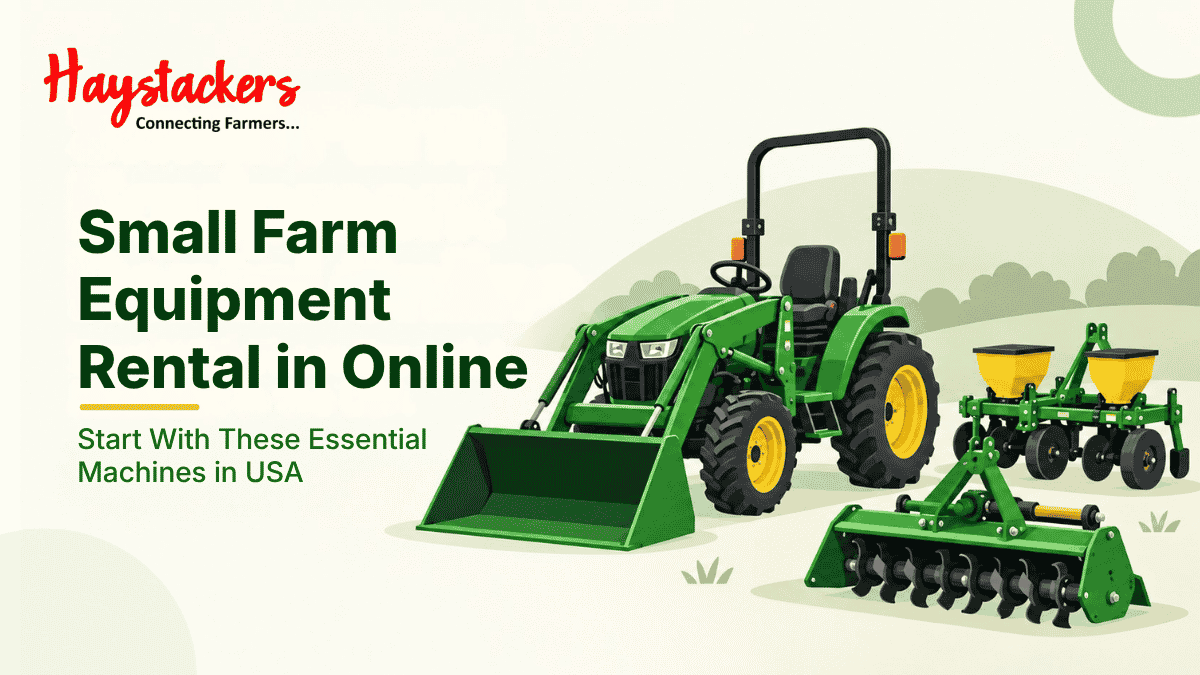
The marketplace can serve operations of very different sizes. A small-acreage producer may search for compact tractor rental in US locations for mowing, hauling, grading, or material handling. A larger farm may need an extra machine or specialized attachment during a peak period. The aim is a better match between a real job and available equipment.
A detailed listing helps renters understand what is
offered. Clear photos, model information, attachments, operating limits,
availability, and terms can prevent confusion. An accurate request should
explain the task and schedule. Good information on both sides speeds up
coordination and builds confidence.
A smooth rental does not need to be complicated. We support a practical path from discovery to completed work with shared expectations:
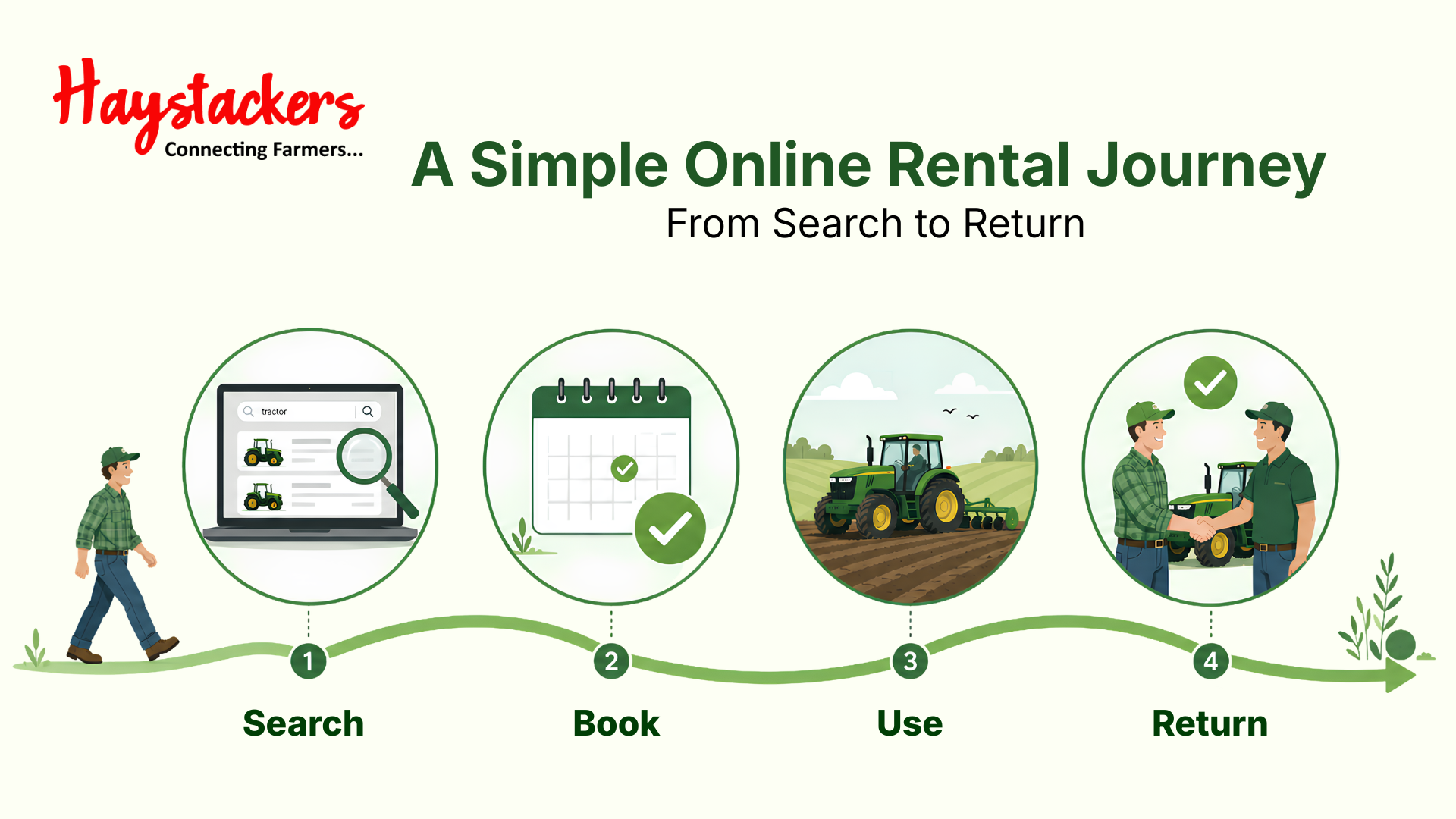
Tractor Attachment Rental
For farmers, rental access can protect working capital and make jobs possible without a major purchase. It may also let an operation try different machinery before deciding whether ownership makes sense. The value comes from matching access to actual demand instead of paying for unused capacity.
For owners, an idle machine can become productive. Listing equipment creates a potential income stream while helping another farm complete important work. Owners review requests and discuss details, helping them decide whether a rental fits the machine, schedule, and intended use.
The broader benefit is better utilization within
farming communities. Existing machinery can support more tasks while local
relationships grow through practical exchanges. Rather than as a substitute for
owning, sharing offers a new solution for when it doesn't make sense
financially or time-wise to commit the resources to a new rental piece of
equipment or attachment on a permanent basis, and it offers that much
flexibility to new businesses trying to increase capacity quickly.
Successful rentals begin with preparation. Renters should confirm specifications, attachment fit, fuel expectations, transport, and condition records. Owners should provide accurate details, explain safe operation and known limits, and set a clear return policy. Both parties should review booking terms and coverage before handoff.
Planning early is important during planting, haying, harvest, and other tight work windows. Popular equipment may receive several requests, so flexible dates and prompt communication improve the chance of a match. Allow time for transport, inspection, setup, and weather changes.
At Haystackers, we believe technology should make farm
work easier while preserving direct conversation. Learn about farm
equipment's rental in online marketplaces to find the right machinery
quickly, affordably, and conveniently. As a discovery and coordination
platform, we establish credibility through listing precision, honesty in
questions, responsible platform usage, and follow-through. Those habits can
turn one booking into a relationship for future seasons.
A farmer shouldn't have to invest in a piece of equipment for each niche interest, seasonal, or short-term need. And equipment owners should have a clear and simple way to generate income from equipment that's typically dormant.
Haystackers connects those needs through a focused marketplace designed for agricultural equipment and the people who use it. With thoughtful planning, clear communication, and responsible operation, renting can become a practical part of a farm’s equipment strategy. When the next job calls for a different machine, Haystackers can help turn nearby availability into real work in the field.
👉Click
to learn more about our services.
1. What types of farm equipment can owners list on Haystackers?
A: Owners can list tractors, attachments, implements, and other agricultural machinery useful to nearby farmers. Each listing should describe the model, specifications, included tools, availability, condition, and operating or transport requirements so renters can judge the fit.
2. What should a farmer check before requesting a rental?
A: Start with the job, then confirm horsepower, size, attachment compatibility, dates, location, transportation, operator experience, and terms. Ask about instructions, inspection, fuel, cleaning, damage reporting, return condition, and applicable coverage before finalizing the booking.
3. How can equipment owners and renters avoid misunderstandings?
A: Use accurate listing details and discuss intended use before accepting a request. Both parties should agree on timing, payment, pickup or delivery, condition, permitted uses, operating limits, and return expectations. Written records and timely communication make the rental easier to manage.
More articles





Haystackers is a peer to peer community-based platform facilitating direct rentals of tractors and farm equipment from individual farmers to those in need.
© Copyright 2026. Haystackers. All Rights Reserved.


© Copyright 2026. Haystackers. All Rights Reserved.