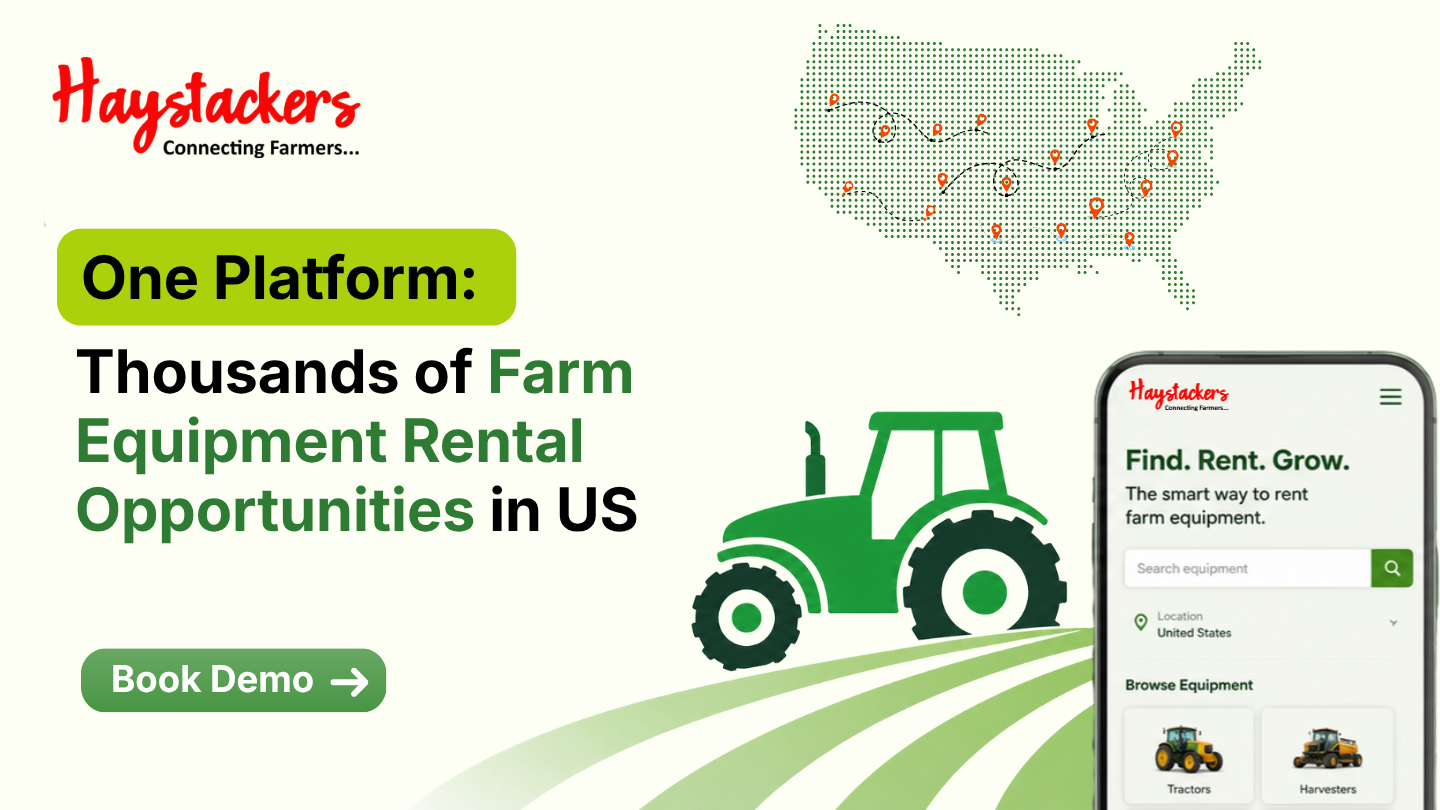
Farm Equipment Rental
Owning every piece of farm machinery is expensive, and
for most growers, it simply doesn't make financial sense. This blog explores
how a single online platform connects farmers across the country with thousands
of rental listings in one place. From tractors to tillers, discover how renting
is quietly becoming the smarter way to farm in America.
American agriculture runs on machines, but not every
farmer needs to own every machine they use. A planter that's needed for three
weeks in spring shouldn't sit idle in a shed for the other eleven months,
quietly losing value while it collects dust. That's the math a growing number
of farmers, ranchers, and landscapers have started doing, and it's why the
phrase rent farm equipment in US has been showing up more
often in search bars, farm forums, and conversations at co-ops across the
country. Instead of tying up capital in machines that are used for a handful of
weeks each year, farmers are turning to rental marketplaces that put thousands
of listings within reach of a single search. It's a shift that's less about
trend-chasing and more about basic financial common sense finally catching up
to how farming actually works.
The economics of farming have never been forgiving, and the last few years have made them tighter still. The prices of fuel go up and down, inputs become pricier, and the price for even a medium tractor or a combine can easily go well into six figures before you consider the financing. To a family farm with just a few hundred acres of land, that's a very difficult purchase to make - especially when you really only need the piece of equipment during the few days in your season you can actually use it.
Renting flips that equation. It lets a farmer bring in a special baler for the two weeks they need it, work it to death, and return it without worrying about where it will sit for 10 months or how to fix it next year (or if it will be obsolete by then). Rental also lets farmers test drive newer, more productive machines, rather than buying an expensive machine and seeing it sitting in their barn five years from now. Often, especially for custom harvesters and smaller farms who can't afford their own fleets, renting is less of an alternate option and more of a standard operation.
For years, you couldn't find equipment to rent without spending hours on the phone. You'd ring up the local implement dealer, scan a community notice board, or knock on the grain elevator owner's door in the hopes that someone nearby had a disc harrow sitting idle. It was a limited solution but the only one available, and it relied on luck and timing. If the closest available skid steer was three counties over, there was often no easy way to even know it existed.
That fragmentation has been one of the biggest,
quietly accepted frustrations in American agriculture. Equipment sat unused in
one county while a farmer forty miles away paid a premium to rent from a
dealership simply because there was no shared visibility across listings. This
is why having one search bar to access all the rental listings – all thousands
of them – helps us solve this issue. This approach makes a formerly
unmanageable scattered listing process more of a marketplace.
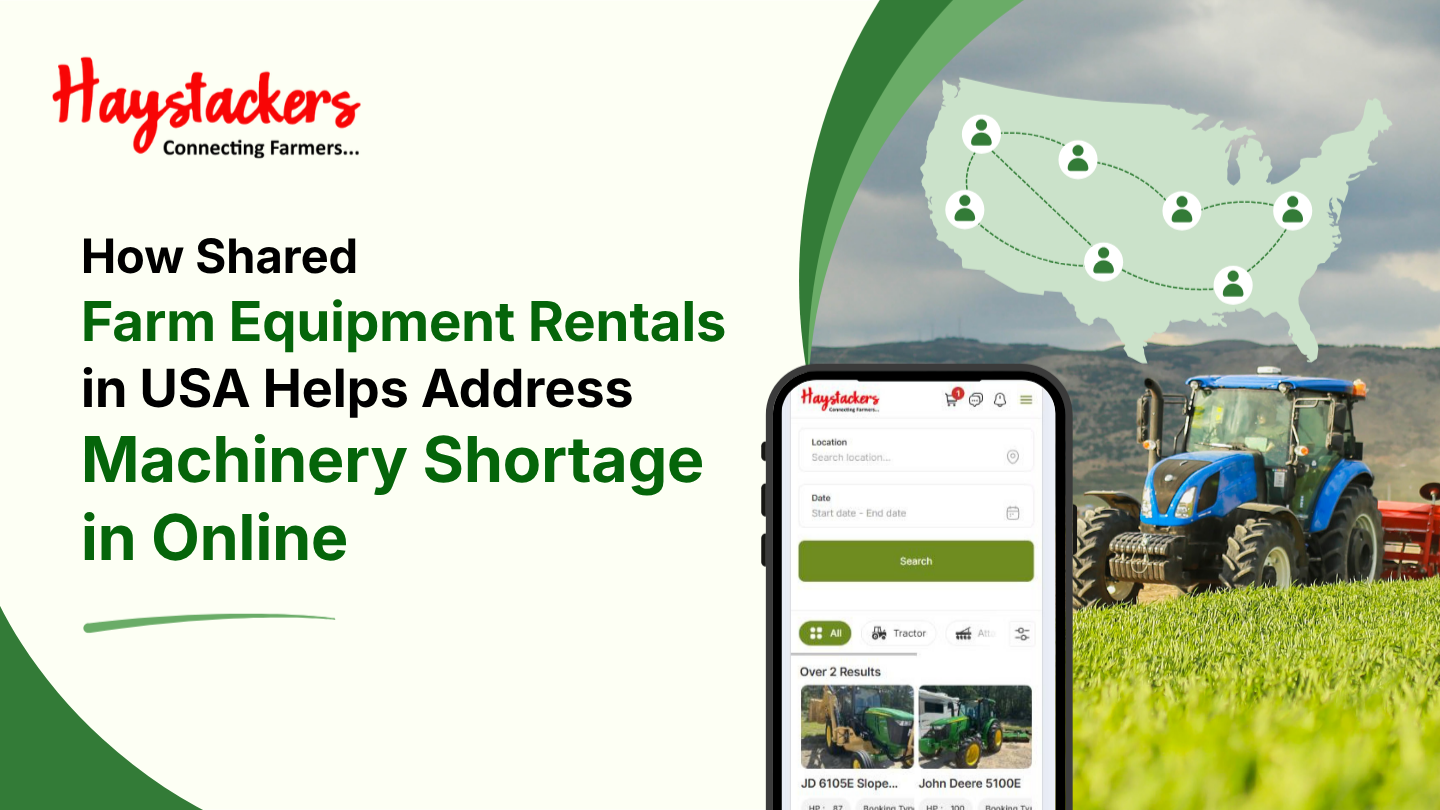
This scenario is where a special online marketplace comes in handy. Farmers don't need to chase down every dealership in the county. This marketplace has machines for rent, sold by farmers, dealerships, and even small rental outfits across the nation - all in one easy-to-search online database. An Iowa-based farmer can search for a particular type of machine, horsepower, a distance within the county or country, and the number of days they'll need the equipment, instead of making calls for days to find it.
For equipment owners, the benefit runs the other way.
A tractor can sit on a farm for eight months a year, doing nothing but
collecting dust and depreciating, which makes this benefit significant. Listing
it on a shared platform means it reaches renters well beyond the immediate
neighborhood, which matters a lot in regions where population density and farm
count are both low. It's a model that works well specifically because it's
built around a tractor rental agency in US listings alongside
implements, harvesters, and specialty tools, all searchable from the same
starting point.
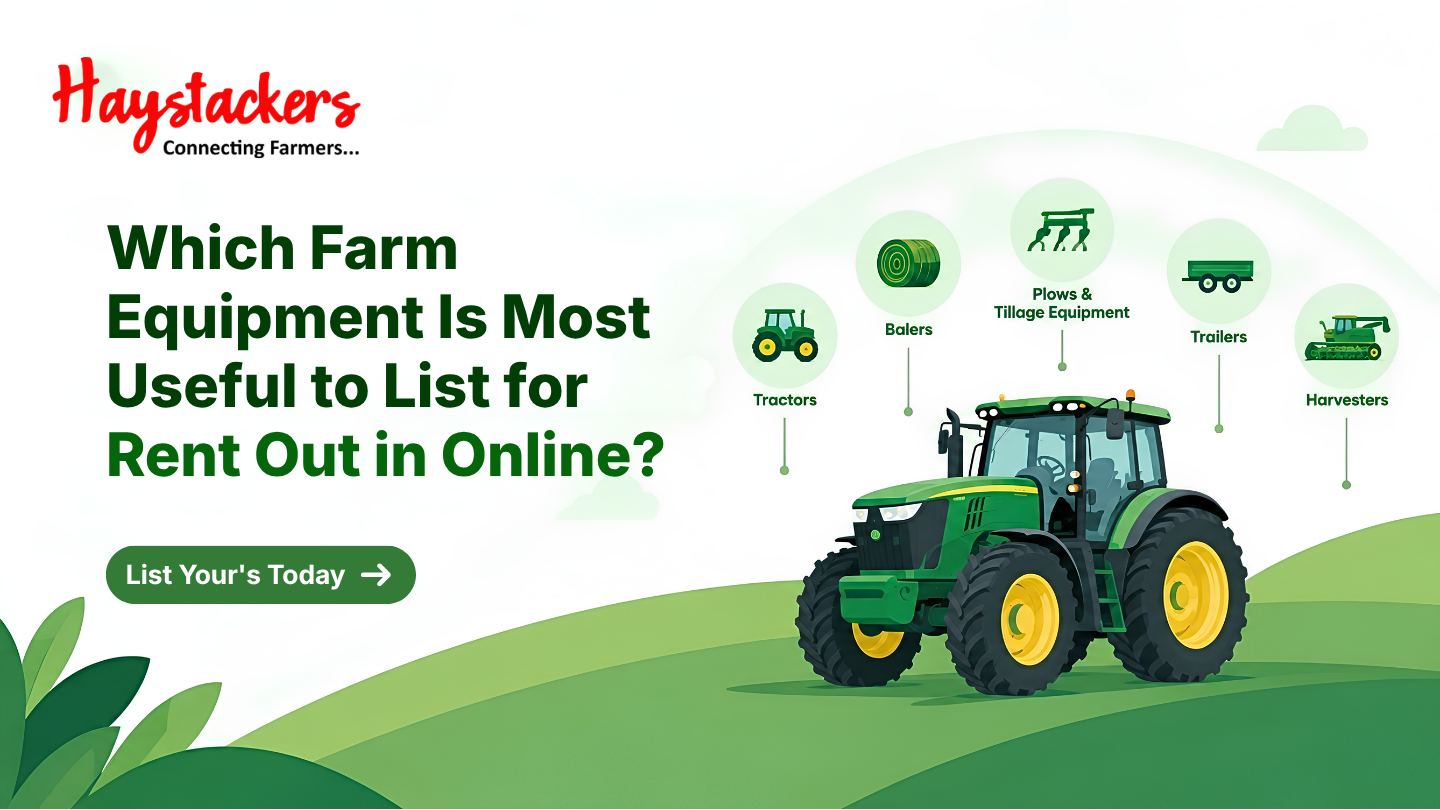
One of the more surprising things for first-time renters is just how broad the category of "farm equipment" actually is once it's aggregated in one place. It's not limited to tractors, though those remain the most searched-for category by a wide margin. Listings typically span tillage equipment, seeders and planters, sprayers, balers, combines, grain augers, skid steers, and utility vehicles, which can be rented out as available. On a smaller scale, you can also find things like post hole diggers, mowers, and irrigation gear that are seldom in stock at your average dealership but important to small-scale farms.
The reason why this breadth is important is that
farming is not a single task; it's a constellation of interwoven seasonal
activities, each demanding its own special tool for its allotted brief span of
time. A platform that only offered tractors would solve part of the problem.
One that covers the full spectrum, from heavy tillage equipment down to smaller
utility attachments, actually reflects how a working farm operates across a
full calendar year.
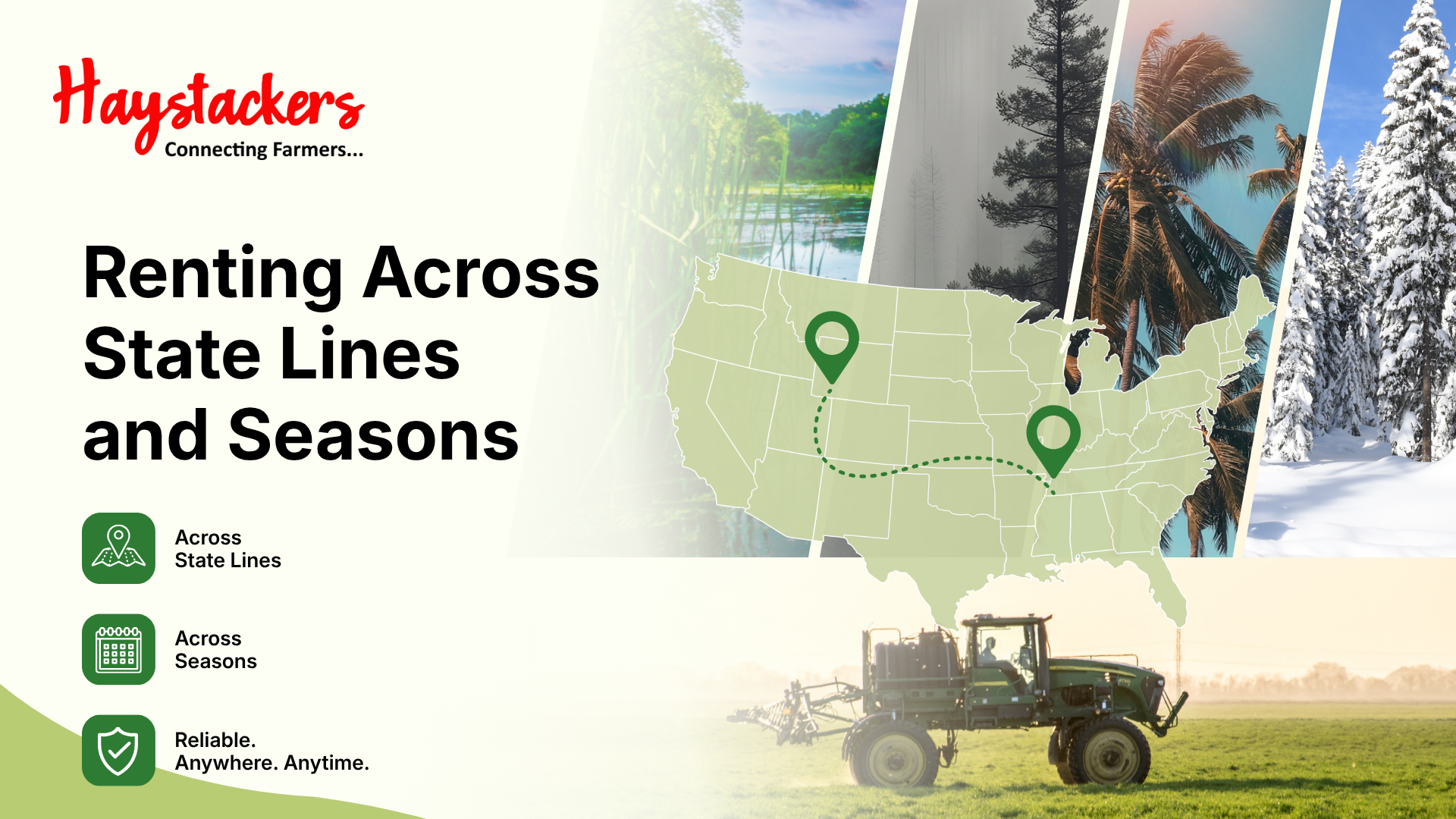
Weather doesn't respect state borders, and neither does the demand for equipment during planting and harvest windows. One of the quieter advantages of a nationwide rental platform is the ability to source equipment from regions where the season hasn't peaked yet. A farmer in the northern plains preparing for a late harvest can sometimes find machinery from a southern operation that has already wrapped its season, simply because the listing pool isn't confined to a single county or state.
This kind of cross-regional flexibility used to be
almost impossible to coordinate without an existing personal network. Now it's
a matter of adjusting a search radius. It also smooths out some of the pricing
volatility that used to come with local scarcity, since renters aren't limited
to whatever happens to be sitting in the nearest lot. Broader access naturally
leads to more competitive pricing and, just as importantly, better availability
during the exact weeks when timing matters most. This kind of reach is also
what makes reliable agriculture equipment hire in US possible
for operations that don't have the luxury of waiting for local supply to catch
up with demand.
Tractor Attachment Rental
But that convenience doesn't mean we should bypass due diligence. And this is where having a standardized platform is a clear advantage over shaking hands at the co-op. You know a listing is going to include maintenance history, hours of operation, insurance needs, and clear rental terms - things that, until recently, were only accessible through the power of word-of-mouth. However, it's still the responsibility of the tenant to take care of the basic necessities - ensure the machine has been recently serviced, negotiate fault-sharing and clarify delivery and pick-up in writing.
Also check if help or training is offered for
equipment you're less familiar with. This may be relevant if you're considering
renting a type of machine you've never used before. Two minutes taken now will
save you a major migraine during harvest peak when you don't have time to spend
haggling over damage or a breakdown.
Farm equipment rental isn't just a fad. It's a logical reaction to ever-shrinking profit margins, ever-changing weather patterns, and the sheer expense of maintaining machines that earn their worth for just a few weeks of the year. When a single app consolidates thousands of equipment listings, it eliminates guesswork and replaces scattered phone calls with a user-friendly, transparent online market. It's a transition that smart, budget-conscious farmers should definitely be keeping an eye on.
👉
Are you ready to skip the search and get to work? Book now.
1. Is it cheaper to rent farm equipment than to buy it?
A: For equipment used only during specific seasons, renting is almost always more cost-effective than buying, since it avoids maintenance, storage, and depreciation costs tied to ownership.
2. Can I rent farm equipment from another state?
A: Yes, many platforms list equipment nationwide, allowing farmers to source machinery from other regions when local availability is limited during peak seasons.
3. What should I check before renting a piece of farm equipment?
A: Always review the machine's maintenance history, confirm insurance and liability terms, and get delivery, pickup, and rental duration details in writing before finalizing the booking.
More articles





Haystackers is a peer to peer community-based platform facilitating direct rentals of tractors and farm equipment from individual farmers to those in need.
© Copyright 2026. Haystackers. All Rights Reserved.


© Copyright 2026. Haystackers. All Rights Reserved.