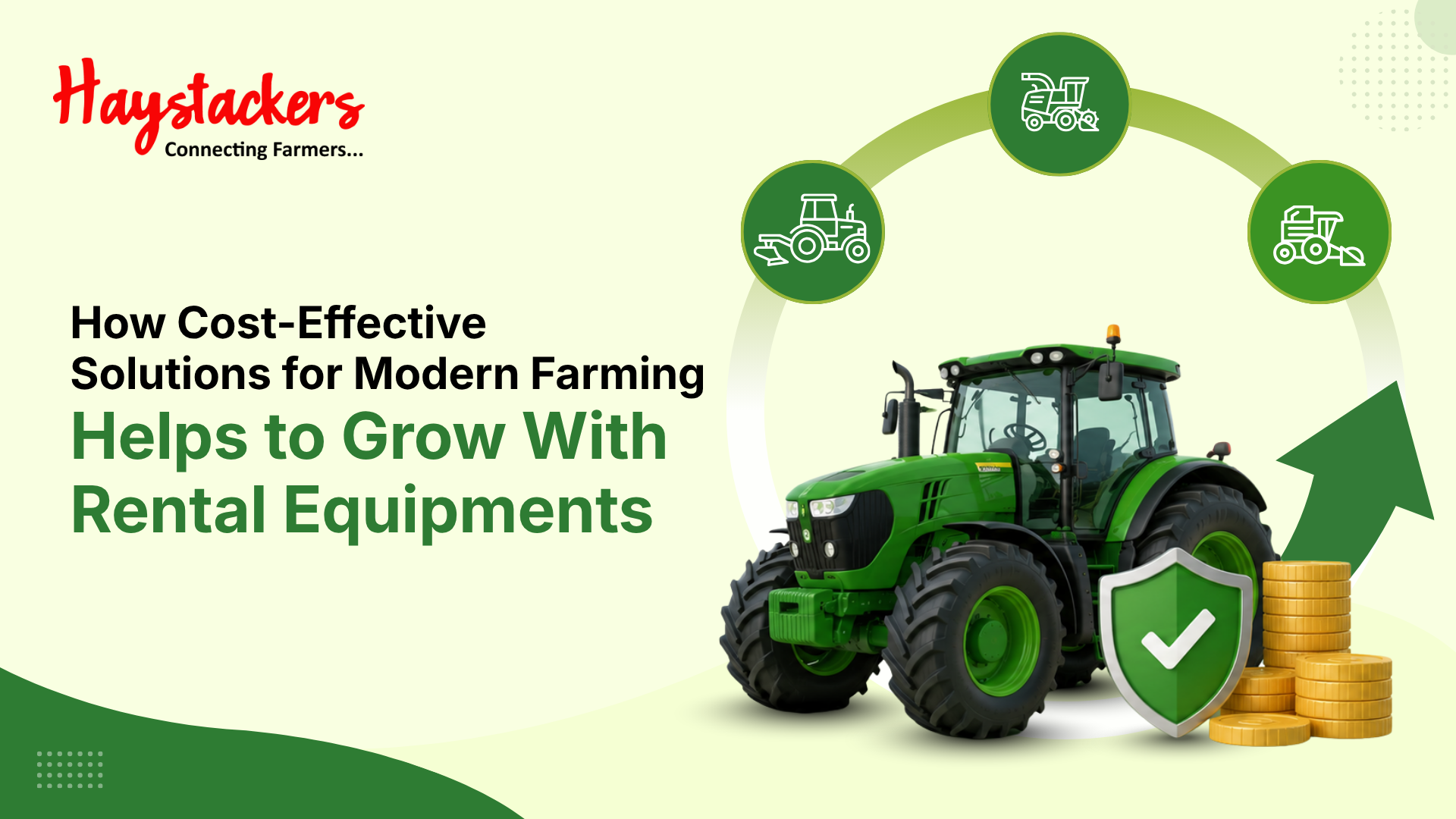
Tractor Rental Agency
One way farms can lock up valuable liquid assets
quickly is to purchase every item of farm machinery off the shelf. In this
article, we explore how renting equipment, rather than buying it, can free up
your cash, reduce your maintenance expenses, and still allow you to finish your
planting and harvesting on time. You'll be guided through what to rent, when,
and how technology has made a formerly painful process so much easier.
Balancing what the seasons need with what your budget
will allow is just the cost of doing farming business. Imagine: some pieces of
heavy equipment can cost more than a small to medium-sized farm's entire yearly
budget, yet you only have to use that piece of equipment a few times out of the
year. For a lot of farmers throughout the country, that's precisely why rental
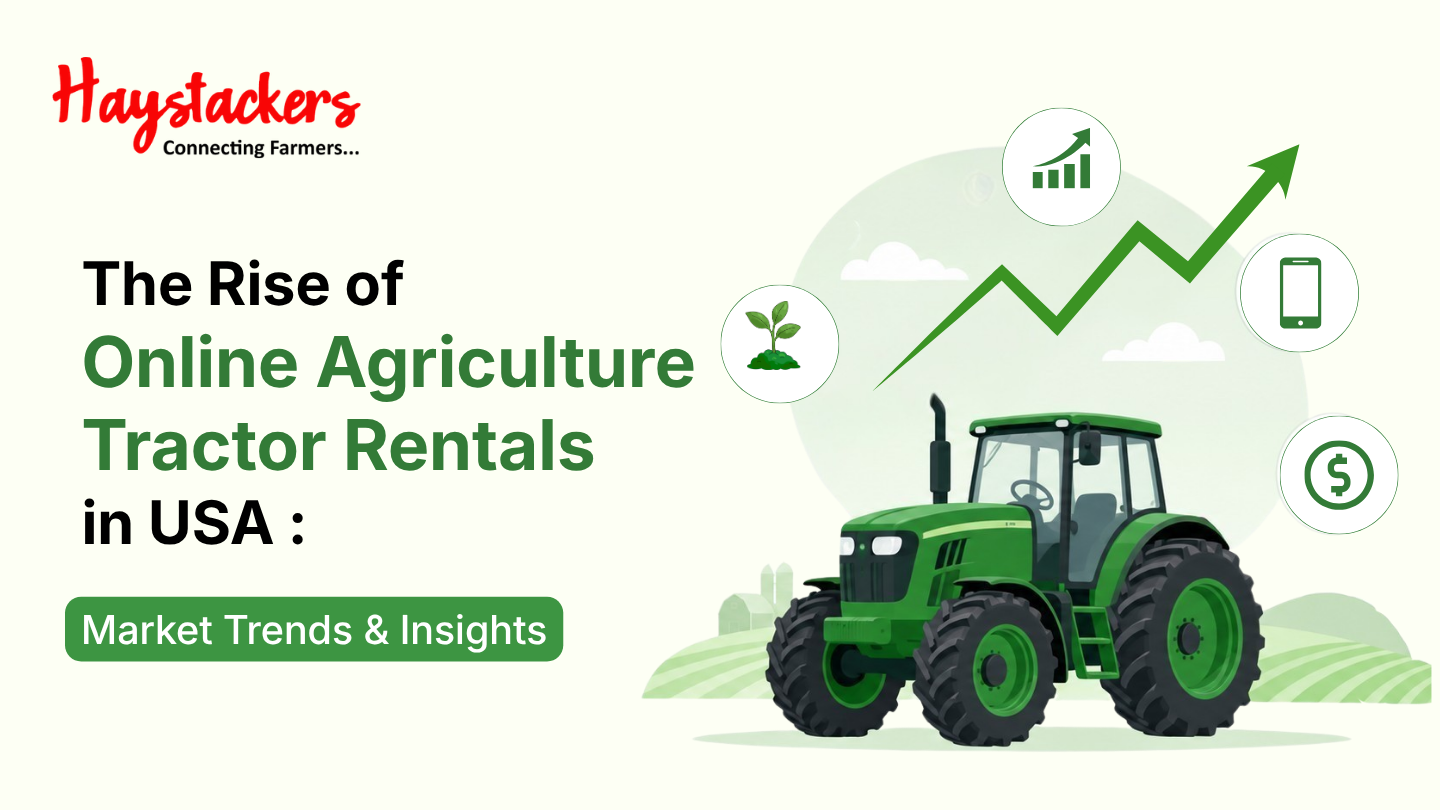
farm equipment in US has taken off. Instead of buying a new
machine each time they needed something, they leased it. It seems like a small
shift of logic and thinking, but it moves financial weight from managing a
farm-particularly as it begins to grow, is a seasonal business, or is trying to
keep its footing in an unpredictable economy.
There was a time when the more tractors, tillers, and harvesters a property had, the more of a status symbol owning them was for the "actual" farm. Attitudes on this are changing - thankfully. A tractor loses value the minute it drives off the lot, and if it's sitting in the shed, collecting dust more than daily use, that value loss can outpace most farmers' imaginations. And that's not to mention storage, insurance, and inevitable repairs that come with age.
Renting flips that equation. A farmer pays only for
the days the equipment is actually in the field, rather than paying for a
machine 365 days a year and using it for just 30. Sometimes, all it takes to
shift from the edge of bankruptcy to real profit is a margin like this -
especially for those new to business.
Let's take a moment to dissect these savings, because you will hear about cost reductions beyond just the sticker price.
Add that up over the course of a growing season, and
it doesn't amount to much at all, let alone anything significant. For many
growers, the cost of leasing rather than purchasing equipment can be the
deciding factor between making a living and just surviving to make that living.
While it's true that buying every piece of equipment will be far from your best option, renting everything that you need isn't the smartest approach either. This is why I recommend thinking by season and by equipment type, rather than considering the entire fleet as one.
Tillage equipment, planters, and sprayers are typically needed in short, intense windows — a few weeks in spring, maybe another short stretch mid-season. These are prime candidates for renting, since owning them leaves the machine unused for most of the year. The harvesting equipment works the same way. It doesn't make sense to buy a combine and leave it in the shed for 11 months a year when it's only used for about three weeks every fall.
On the other hand, equipment used almost daily across
the season — a reliable utility tractor for general fieldwork, for example —
might still make more financial sense to own, depending on the size of the
operation. What we've learned is to accurately track usage - never assume that
ownership is the default safe bet.
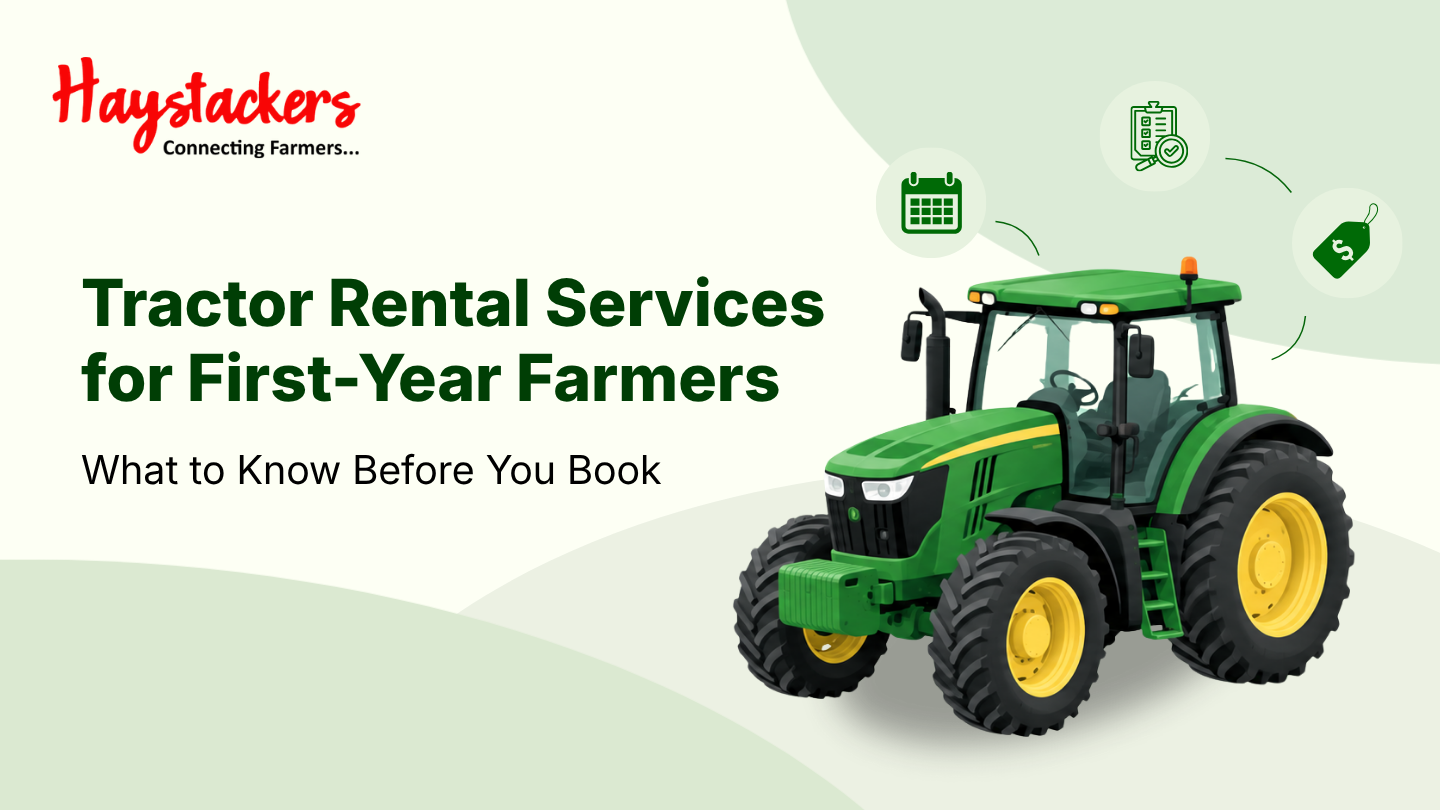
We've all heard that most farms don't need a full-sized tractor to pull a 12-row planter. Compact tractor applications are most common for smaller specialty crop producers and "hobby farmers" who work in spaces and rows too narrow for an orchard or vineyard to consider. That's where compact tractor rental in US market has been incredibly helpful to those who have a need for the added HP & options that a full-size tractor offers but lack the space/fuel efficiency.
Small tractors can mow and till lightly, as well as
lift and do other property maintenance tasks without the expensive maintenance
plan or shed space that a bigger machine requires. Farmers who cultivate
specialty crops as part of their diverse operations, or who need to maintain
both pastureland and croplands, will likely find it more convenient to rent new
compact equipment for various tasks.
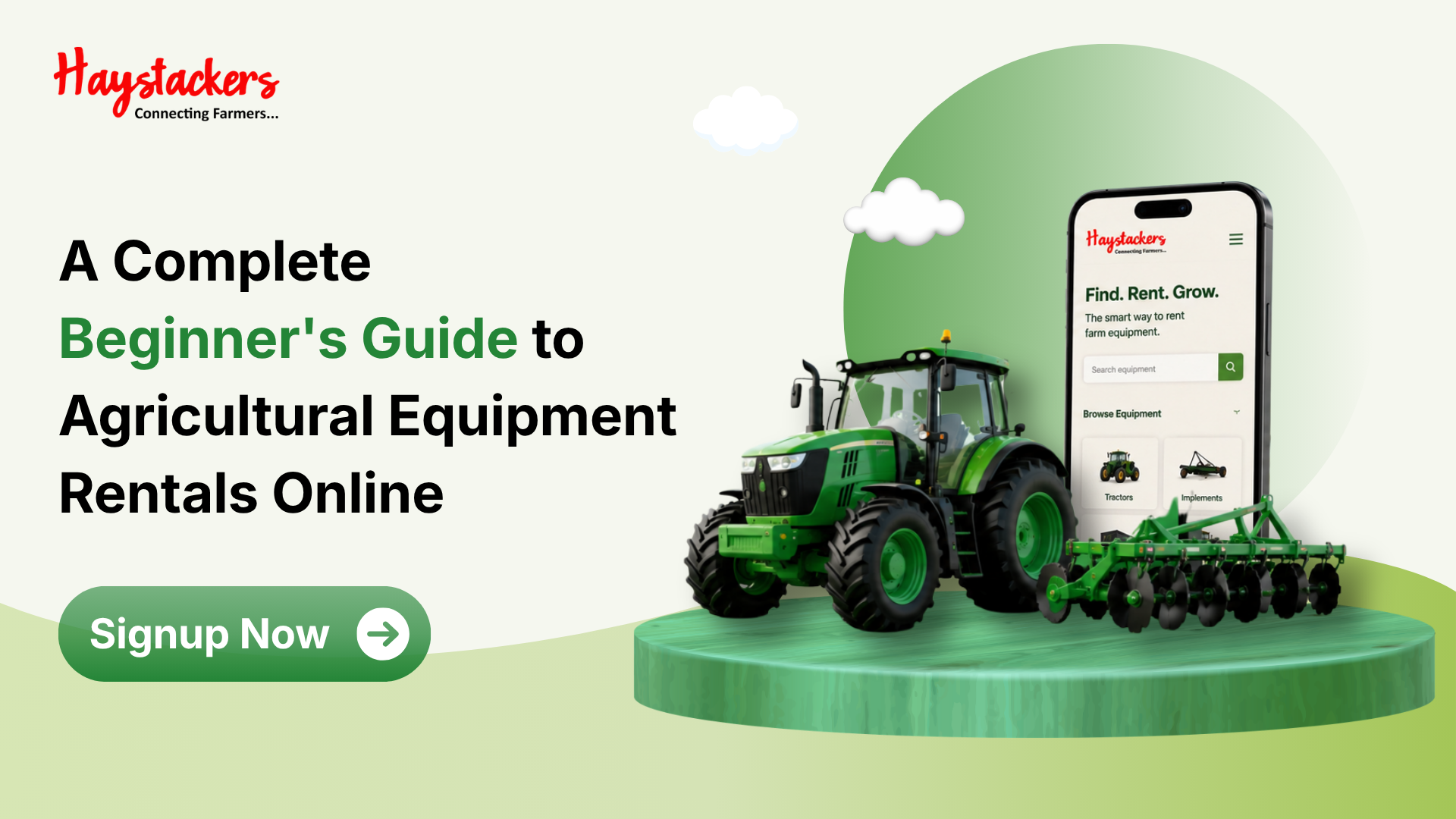
A few years ago, renting equipment meant a string of phone calls, waiting on availability, and hoping the machine you needed wasn't already booked out for the week. That has changed dramatically. Farmers now check availability, compare specifications, and even book equipment with a swipe of their fingers or a click of a mouse, with no phones involved. The proliferation of online tractor booking in US markets has allowed farmers to secure machines with weeks to spare, reschedule around changing weather patterns, and say goodbye to the panicked search at planting or harvest time.
It's no different with harvesting. You wouldn't purchase a combine and let it sit there on the lot for 11 months a year when it's only getting used three weeks each fall. Those growing and harvest windows we were talking about? Those windows for growing and harvesting are often short and finicky, and losing a few hours while waiting to rent a cultivator or seeder can equate to actual money. Being able to book online, coordinate, and even extend a booking on the fly means another uncertainty has been ironed out of what's always an uncertain business.
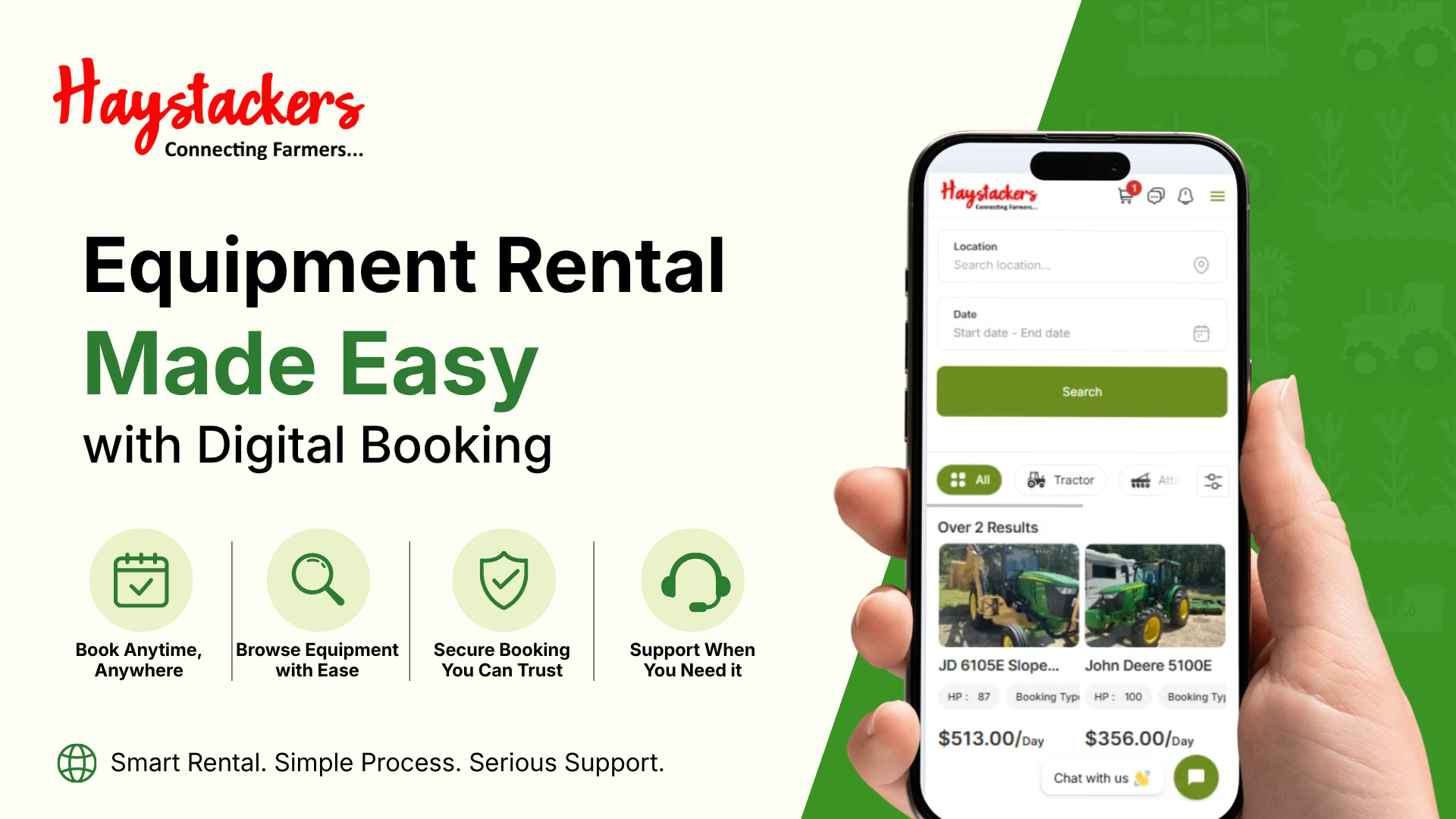
Farm Equipment Rental
Different rental companies behave differently, and you don't realize how they actually are once their equipment lands at your site.
Haystackers has built its rental model around exactly
these priorities, giving farmers a way to access dependable equipment without
the guesswork that often comes with smaller, less established rental
operations. If you want a clearer picture of how this actually works in
practice, it's worth taking a look to know about farm equipment's
rentals in online, where the process from browsing to booking is laid out
in more detail.
This online farming tool rental works with farms of every size to figure out exactly that balance, helping growers identify where rental equipment can replace costly ownership without disrupting the rhythm of planting, tending, and harvesting. For many farms, this gradual approach ends up freeing significant capital within a single growing season, funds that can go straight back into the operation instead of sitting parked in a machine shed.
Renting isn't about cutting corners. It's about
matching spending to actual need, which is exactly what modern, cost-conscious
farming looks like today. Whether it's a single season rental or a recurring
arrangement across multiple harvests, the flexibility pays for itself in ways
that ownership simply can't match.
Sure, modern farming is about profits and efficiencies. But it makes very little sense to have cash tied up in equipment that sits unused for the entire year. Renting properly functional machinery, with the right equipment in the right place, saves on capital expenses. Rental of the machinery eliminates its upkeep. It also offers the freedom of adaptability. With platforms like Haystackers making the booking process simple and quick, there's little reason left to default to ownership out of habit rather than actual need.
Book Online Today for Flexible Equipment
Rentals.
Q: Is renting farm equipment actually cheaper than buying if I need a machine every single season?
A: It depends on how many hours the machine logs each year. If you use a piece of equipment almost daily across most of the season, ownership can eventually work out cheaper. But for equipment used only a few weeks a year — like a planter or combine — renting almost always comes out ahead once you factor in depreciation, storage, insurance, and maintenance costs tied to ownership.
Q: Can I rent equipment for just a few days, or are rental periods usually locked into weekly or monthly terms?
A: Most modern rental providers offer flexible windows ranging from a single day to a full season. This is especially useful for tasks like a one-time field prep job or a short harvesting window, where a full monthly commitment wouldn't make sense. Checking real-time availability on Haystackers makes it easy to identify a rental window that actually fits the job.
Q: What happens if rented equipment breaks down in the middle of a job?
A: Reputable rental providers handle maintenance and repairs as part of the agreement, and most offer fast replacement or on-site repair support so a breakdown doesn't stall an entire day of fieldwork. It's worth confirming a provider's turnaround time on repairs before booking, especially during tight planting or harvest windows.
More articles
Friday | Aug 7, 2026
The Future of Agriculture With Smart Farming Technologies in USA: Know More
Learn how smart farming technology are changing American agriculture. Find out more about how technology, precision farming, and sustainable solutions will affect food production in the future.
Read Article





Haystackers is a peer to peer community-based platform facilitating direct rentals of tractors and farm equipment from individual farmers to those in need.
© Copyright 2026. Haystackers. All Rights Reserved.


© Copyright 2026. Haystackers. All Rights Reserved.