Tractor Rental Services
Every operation grows differently — some begin with a
single tractor, others scale into a full lineup of implements. In this guide we
analyze what makes a tool essential at each phase, give an approach to
comparing purchased to leased items, and detail how growers all across the USA
can pinpoint the ideal machine in less time. From starting a farm to growing
additional ground, here is a simple start to assembling your toolkit.
If a first-time farmer purchases a tractor, they often
learn rapidly that buying one tractor does not accomplish the work; an
attachment is required for tilling, one for planting, another for spraying, and
another for harvesting. In most cases, purchasing all of these at once will
deplete a budget rapidly. This scenario is where farm equipment rental
in the US has become a practical answer for operations of every
size—from a backyard homestead to a several-hundred-acre spread. This blog
walks through the essential tools every US operation should know, explains how
to decide what to buy versus hire, and shows how Haystackers is helping growers
across the country find the right machine without the guesswork.
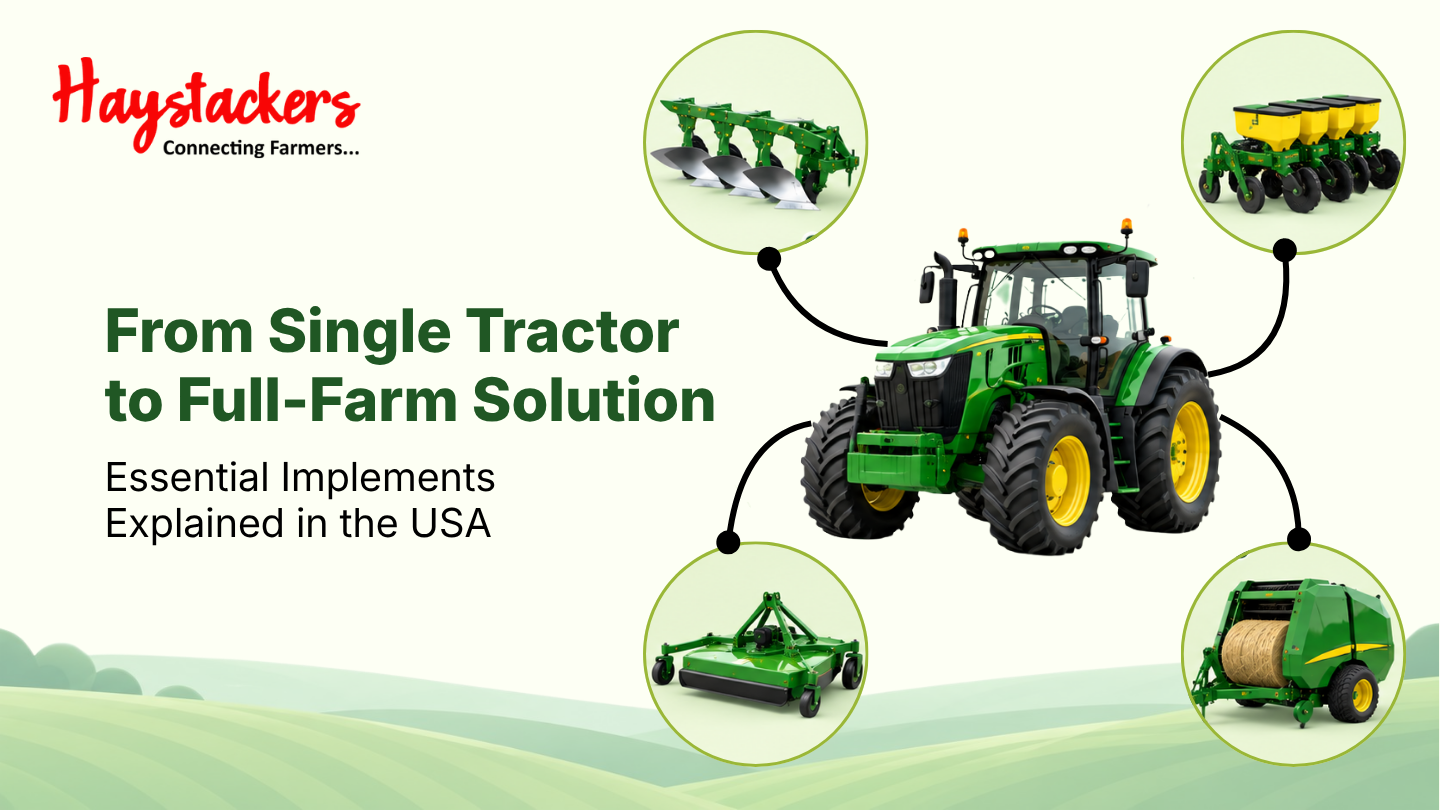
This piece of machinery will run all your other tools. A tractor can do what amounts to hooking up and pulling another piece of equipment that attaches to it—nothing much beyond that. To till, plant, mix feed, or push brush away, you need a specific implement for each task. This is why most seasoned growers describe their setup not as "a tractor" but as "a system" — the tractor plus whatever it's currently pulling, lifting, or spraying.
That system tends to grow in stages. A new grow could acquire just a mower deck and a small trailer initially. Later, when doing fencing or driveway work, he may purchase a box blade. Still later, as he acquires more land, he may also need a loader or a seeder drill. There's no rulebook that says you need everything on day one — the right order usually follows what your land is asking for that season.
As a newcomer into the field, the process may be
somewhat overwhelming. The positive fact here is that one does not need all of
the attachments to maintain an effective plot. Currently many operators around
the country use tractor rental services in US to try out
various combinations before actual purchase, hence reducing the initial
investment cost and letting the user decide what actually works on their
terrain.
Prepping your soil before you do anything else is important as well, and the process comes down to plows, disc harrows, and cultivators. A plow helps loosen compacted soil, disc harrows prepare the field and mix residue into the soil, and a cultivator fine-tunes the topsoil between rows. Based on field size and soil, you will need any one, or all, of the previously stated machines.
Many beginners mistake these as the same tool, but
each is designed for a different soil issue. Ground with significant rock or
clay soils generally requires more tilling than sand/loam soils. Simply talking
to your local extension office or an experienced neighboring grower can save
you purchasing and owning a tool that just plain is not needed.
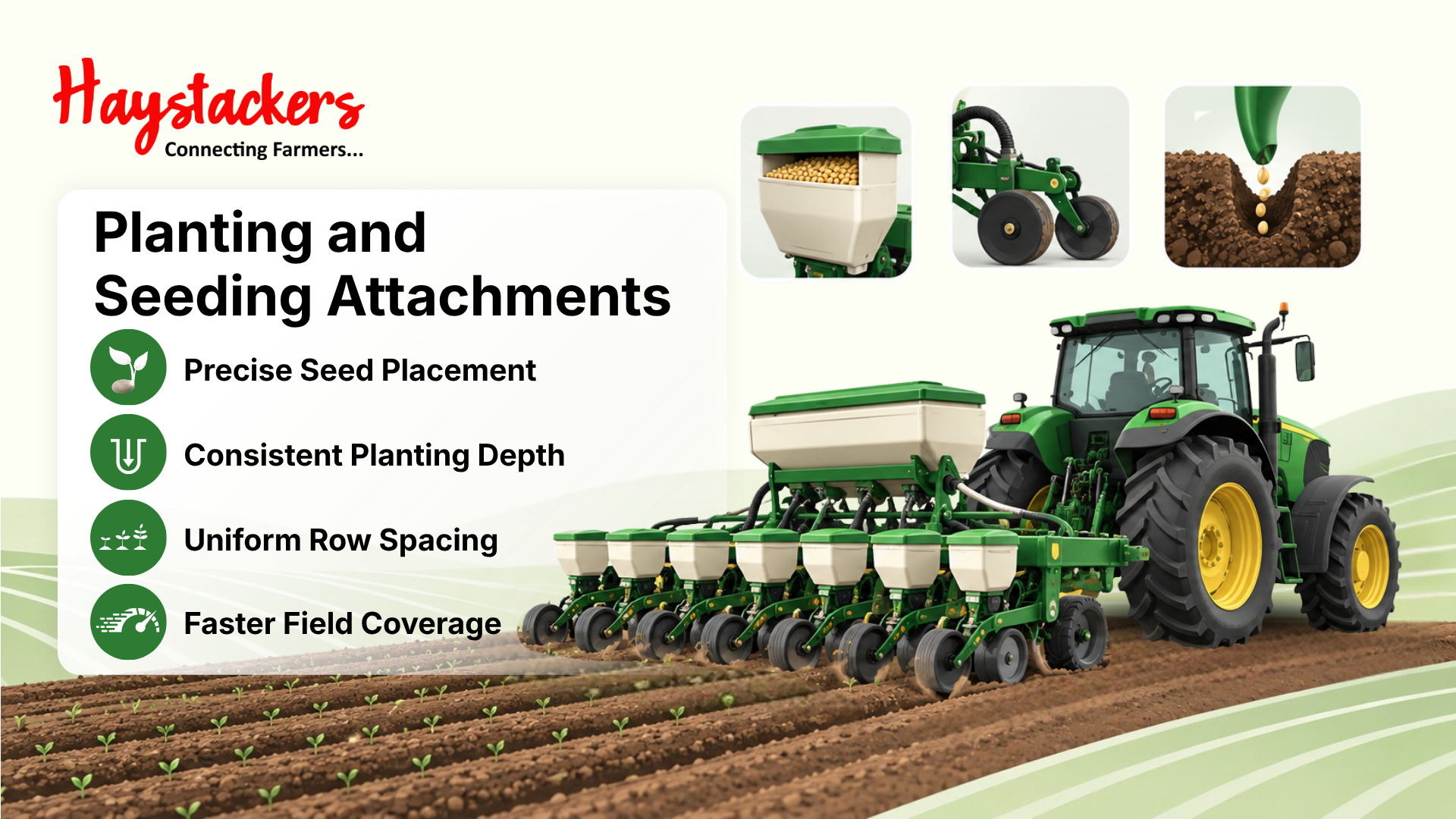
Once the soil is prepared, planter attachments move in. The seed drills and planters apply seed at the proper depth and spacing so that seeds can germinate and produce a higher yield. Different attachments will apply seeds differently based on row spacing, seed size, and speed of planting.
The amount of area you're gardening will determine if
you need just a push seeder or a three-point hitch planter that hooks onto the
tractor and covers ground more quickly. If you're thinking about rotating your
crops season to season, a multi-use attach unit will make more sense than one
that is geared only for one crop. It takes up less space as well.
Compact Tractor Rental
Harvest season brings its own set of specialized machines — combines, balers, and forage harvesters, depending on what's being grown. These are often the priciest items on any operation and also the ones used for the shortest window each year, which makes owning them outright a tough call for many small and mid-sized setups.
This is precisely the gap that online platforms are
filling. Instead of driving to multiple dealers or waiting on availability,
growers can now rent agriculture machineries online in US and
have a combine or baler ready right when the crop is.
This was the exact challenge behind our peer-to-peer community marketplace: getting growers the equipment they need, on time, without all the other hassle. Instead of calling around or searching the classified ads, users can search for things by location and crop and view whatever is available locally in the area.
Most listings also provide the availability ranges, pickup vs. delivery options, and ask price right off the bat. It doesn't replace good judgment about what your land needs — but it does remove a lot of the friction in finding the right machine at the right time.
If you're new to this whole approach, it's worth taking a few minutes to know about farm equipment's rental in online before your next planting or harvest season — understanding how these platforms work now can save real time later.
Whether someone runs a large grain business or a
two-acre hobby setup, the goal is the same: less time spent hunting for
machinery and more time spent working the land.
Building a full operation rarely happens overnight — it starts with one tractor and grows tool by tool as your land and goals expand. The answer, in short, is matching each implement with a real requirement, rather than buying wholesale. Where a seed is drilling and a crop harvesting implement tackles an immediate problem: the question of whether it is one owned by the grower or leased one turns on the actual usage level, and this, whether the grower or the smallholder, means a blend of self-owned essentials with rented specialty items.
Ready to fill the gaps in your lineup?
Search your location to get started.
Q: Is it better to buy or hire specialized attachments for a small operation?
A: For tools used only a few weeks a year—tillage attachments, haying gear, or seasonal handling tools — hiring usually makes more financial sense than buying. Daily-use items like a general-purpose loader are often worth owning outright once your acreage justifies the cost.
Q: How do I figure out which implements my land actually needs?
A: Start by listing every task across your growing calendar, from soil prep to storage, then match each one to a specific attachment. Factor in your soil type, crop mix, and how often each job repeats — that combination usually makes the required lineup obvious.
Q: Can one tractor run implements from different brands?
A: In most cases, yes — as long as the hitch type, PTO specification, and hydraulic connections match. Always check compatibility before pairing an attachment with your tractor, since mismatched specs are the most common reason a tool won't work as expected.
Q: What's the most significant mistake first-time operators make when planning their implement lineup?
A: Buying reactively instead of mapping out the full season first. Operators who wait until a job is urgent often overpay or settle for whatever's available, while planning tillage, planting, haying, and harvest needs ahead of time leaves room to compare options and timing.
More articles
Wednesday | Jul 15, 2026
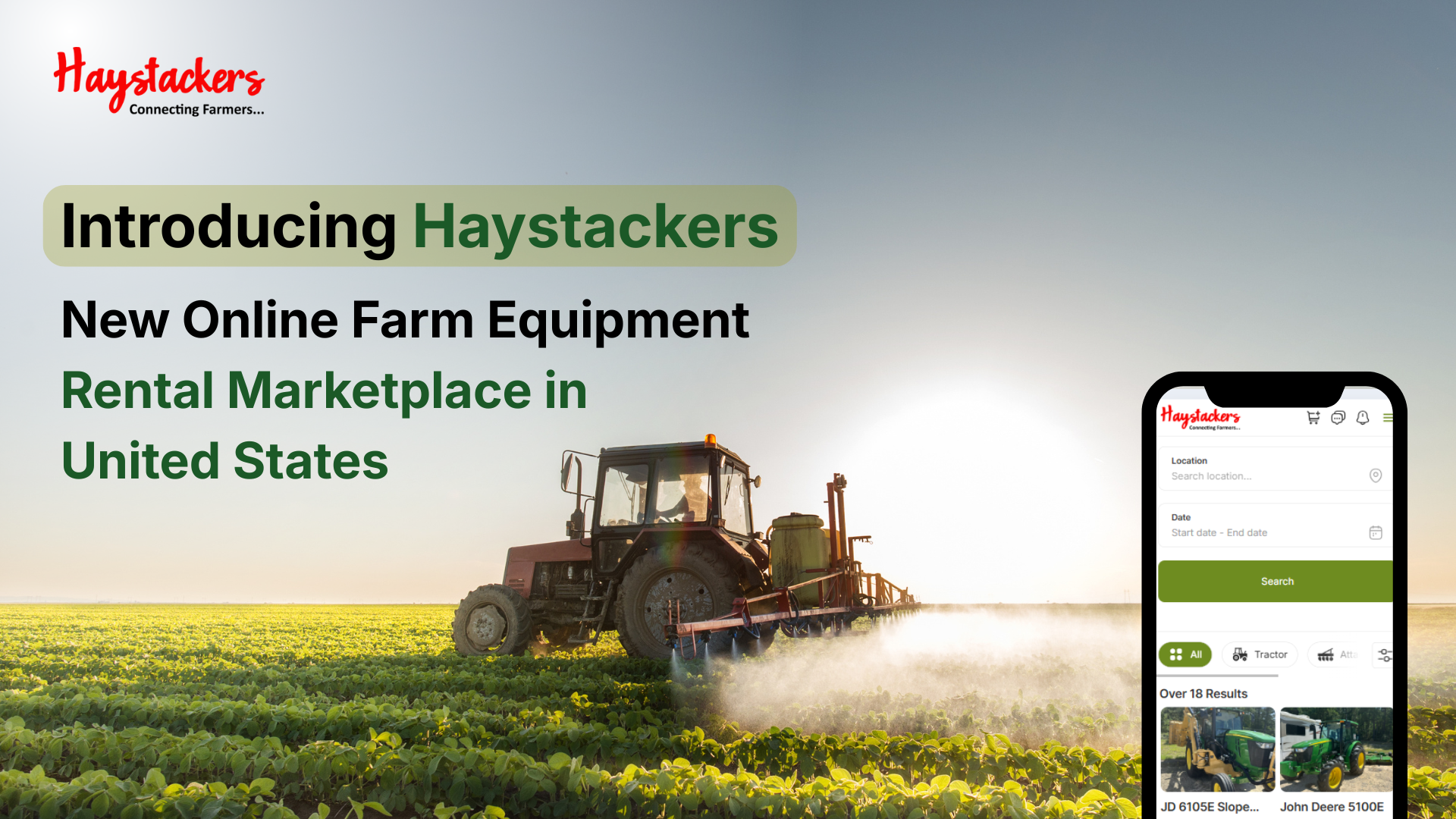
Introducing Haystackers: New Online Farm Equipment Rental Marketplace in United States
Discover Haystackers, the new online marketplace that connects farmers with affordable farm equipment rentals across the United States, making access to machinery faster, easier, and more cost-effective.
Read Article






Haystackers is a peer to peer community-based platform facilitating direct rentals of tractors and farm equipment from individual farmers to those in need.
© Copyright 2026. Haystackers. All Rights Reserved.


© Copyright 2026. Haystackers. All Rights Reserved.