Tractor Rental Services
Those dormant and idle farm machines can and do incur devaluation over time, plus maintenance fees on nonuse. By renting it out, you generate some passive revenue and aid other farmers with time-sensitive jobs. Haystackers gives owners a practical way to list available machines and connect with people looking for equipment. Through fair pricing, detailed descriptions, ongoing upkeep, and manageable terms, a dormant tractor or implement can go from gathering dust to filling your wallet.
A tractor parked inside a shed rarely comes for free. Its value can fall while insurance, storage, loan payments, and servicing continue. If it is used only during planting, harvest, or a few short projects, it may spend most of the year earning nothing.
This is why more owners are considering rental farm equipment in US as a way to improve the return on machinery they already own. A farmer who needs a baler for ten days may not want to buy one. An owner with a free baler can meet that need and earn without selling the asset. Successful rental requires more than uploading one photo. Owners need to understand demand, prepare each machine, set fair terms, and communicate clearly. These steps can help turn occasional bookings into a useful part of a farm's income plan. Here is the complete guide on assessing your opportunities, identifying the risks involved, and executing a profitable equipment monetization plan.
Depreciation continues whether a machine works or stays parked. Storage takes up space, batteries weaken, tires lose pressure, and fuel systems can develop problems during long idle periods. The machine may then need attention just when the owner wants it again.
An idle tractor, planter, mower, sprayer, or attachment where capital is held captive cannot be put to use buying seeds, financing field hands, paying for water or fertilizing fields, or decreasing those debts you have. Rental income can offset some ownership expenses and make the original purchase work harder.
Not every machine belongs on the rental market. Keep back equipment that you need daily, machinery with unresolved faults, and anything that you cannot operate safely. Start with sound assets that have clear periods of low use, and check your farm calendar so a booking will not interrupt critical work.
List all of the equipment and accessories that lay unused for set amounts of time. Include the manufacturer, model, year, horsepower, hours of operation, status, location, moving requirements, and availability. This shows which assets could attract renters without disrupting your operation.
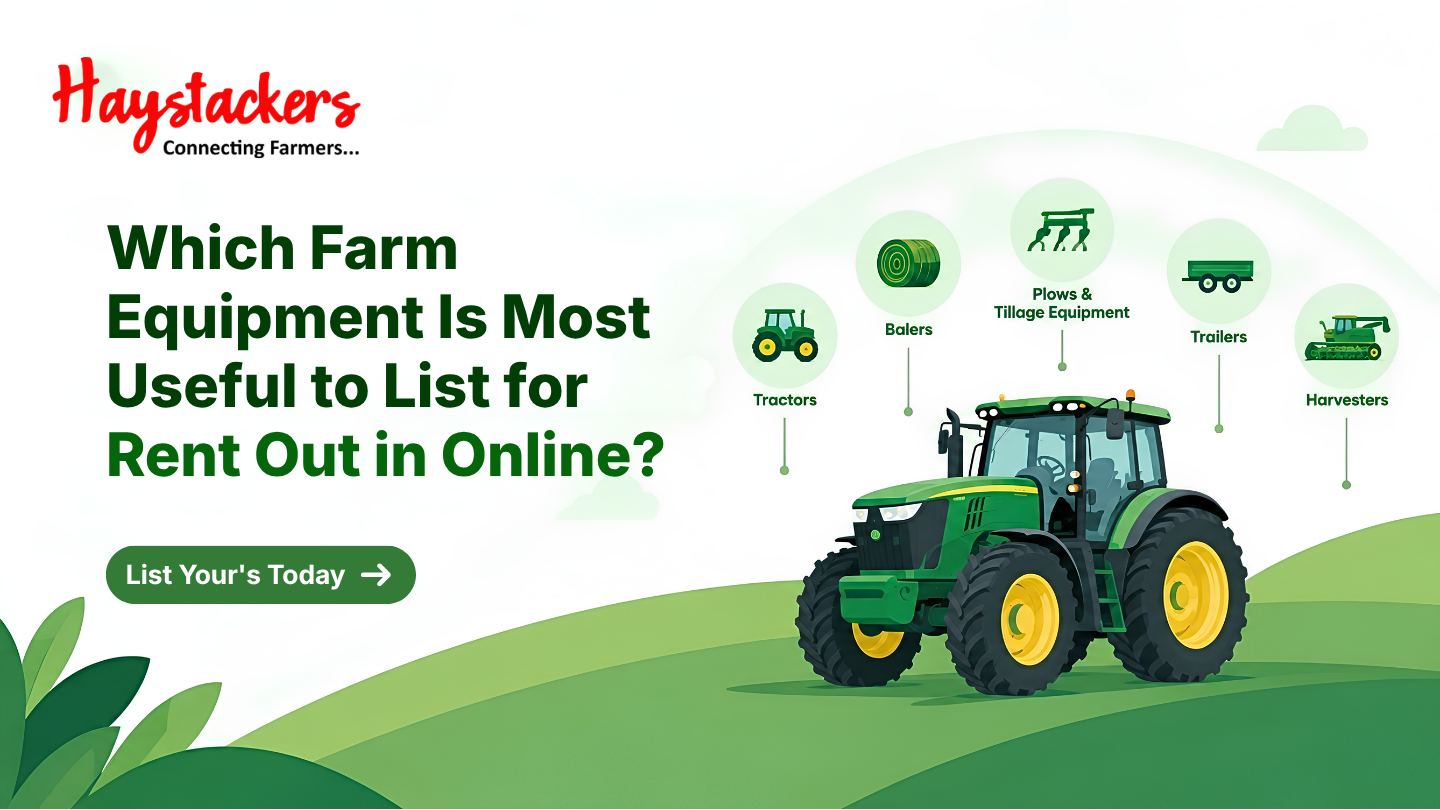
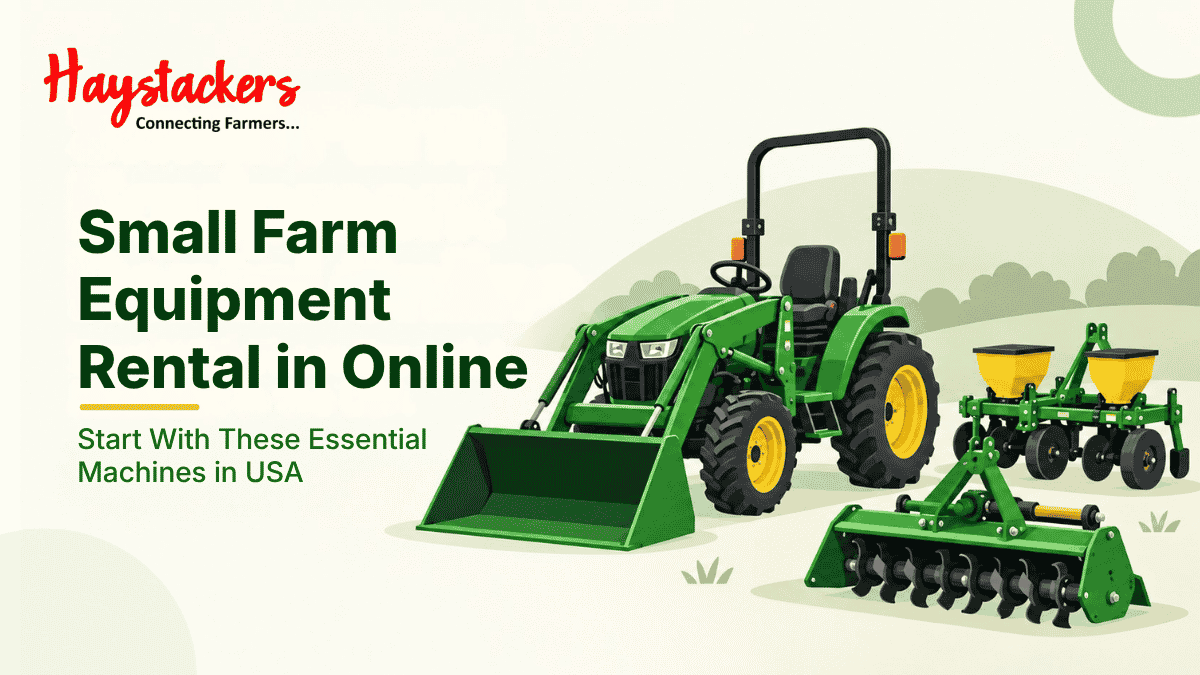
Demand follows the farming calendar. While some planters and cultivating machines may be needed before spring planting season, the biggest weeks for balers and combines don't overlap with their brethren. For a property owner, landscaping professional, or small farmer, sub-compact and compact tractors could be a particularly excellent option. Owners researching compact tractor rental in US should describe compatible attachments and suitable jobs, not just horsepower.
It is worth the expense for an infrequent task that would be prohibitively expensive in its purchase to take on just as-is without a specialist rental unit for things like post-hole diggers, seeders, sprayers, various attachments, or even GPS hardware. Local crops and weather shape demand, so notice what nearby operators regularly borrow or struggle to find.
A rental starts with a clean, functional, accurately represented machine. Complete routine service, check fluids, test controls, inspect tires or tracks, and repair known problems. Keep maintenance records and take current photographs. Please report any faults so your tenant is aware and can determine whether this equipment meets their operational requirements.
Create a handover document that includes meter readings; fuel amount; wear and tear visible from looking at the machine; which accessories the tenant received; keys; handbooks; and all safety gear. Take photos before collection and when the machine is returned. Both parties should review the same information, reducing confusion about damage, missing parts, or condition.
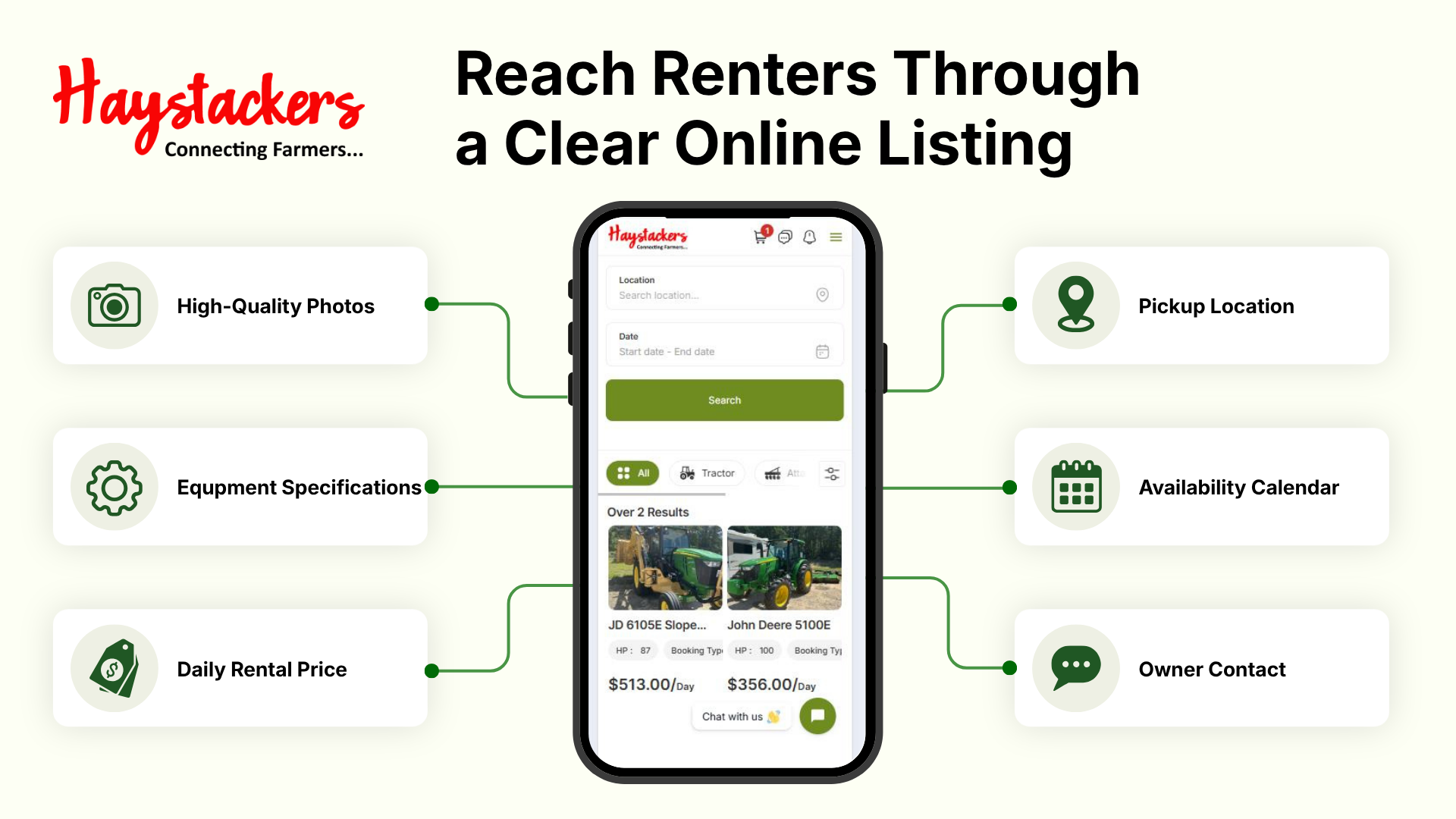
A useful listing answers practical questions quickly. Include specifications, suitable uses, limitations, availability, pickup or delivery choices, and operator requirements. Add well-lit photos of the machine, controls, tires, attachment points, and existing cosmetic damage. Accurate details attract better-qualified inquiries.
Pricing should reflect condition, age, local demand, operating costs, and duration. But keep in mind where equipment is located in your proximity and look for variations in attachments, daily or weekly rental, haul, and season. These prices will vary widely. A minimum period may be sensible when preparation or delivery takes time.
Build availability around your own work. Block off space between rentals in your calendar for equipment inspections, maintenance, and repairs and to buffer for delays. Especially during planting and harvest, a late return can cost you big, so don't put bookings on a calendar with zero flexibility.
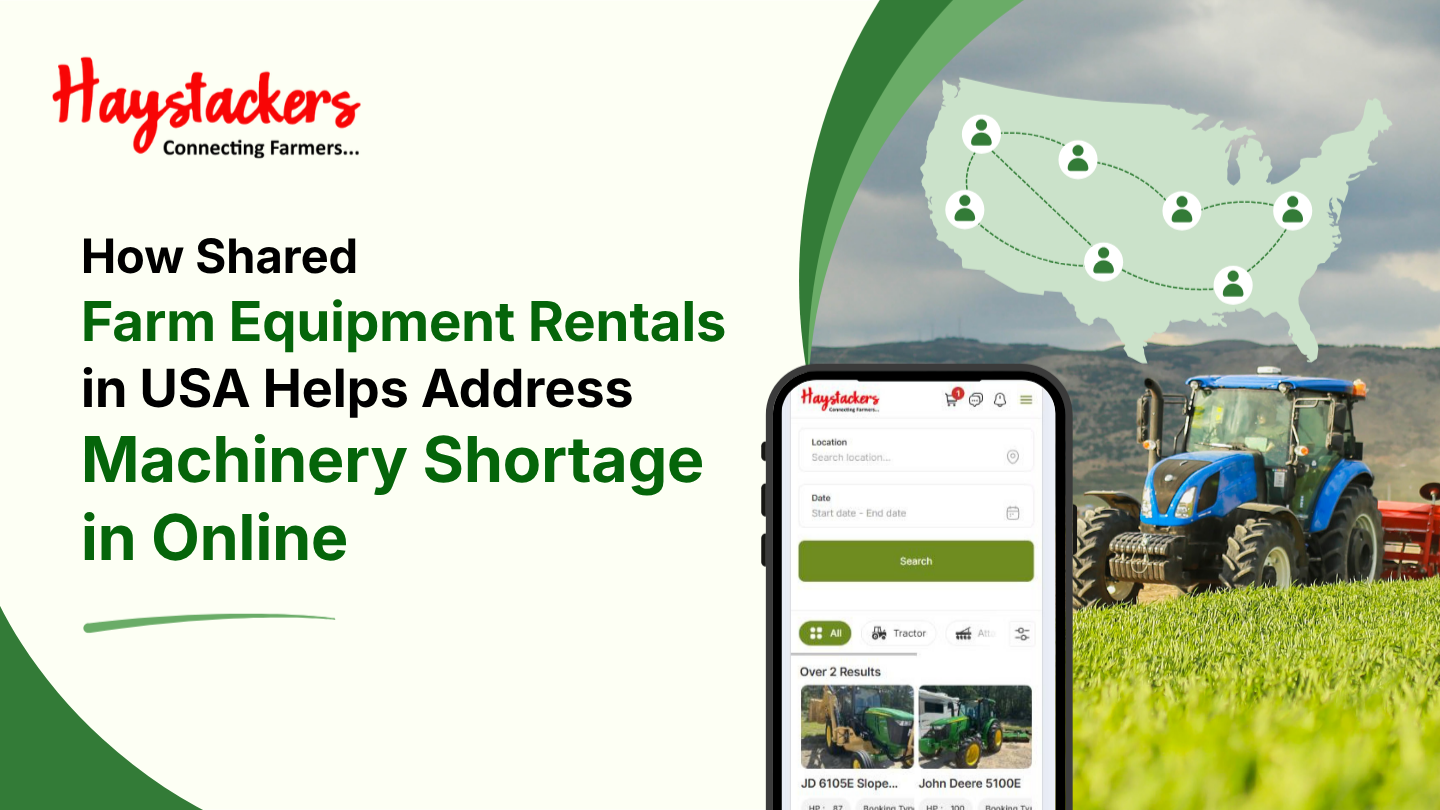
Word of mouth can work locally, but it limits visibility and brings repeated questions about dates, prices, and details. A digital marketplace presents the important information in one place. Through Haystackers, owners can list tractors and other machinery while controlling availability.
For people using online tractor booking in US, trust begins with a complete profile and credible listing. Use recent photos, reply promptly, explain the quoted rate, and state whether transport is available. Service history, hours, attachments, and capacity inspire more confidence than vague claims such as “runs great.”
Compact Tractor Rental
Use a specific title, choose the correct category, and mention relevant tasks naturally in the description. Update information promptly. If the availability or condition changes, please update your advertisement before potential renters reach out to book it.
Before releasing the information, please confirm the renter's identity, experience, intended use, work location, and dates. The operation guide, which is required for transport, includes the daily pre-flight check (if applicable) and connection details, along with contact information to address any issues such as warning lights, crashes, or mechanical failures.
Upon returning, please consider using the initial checklist and the pictures you took to log your miles driven, fuel costs, maintenance, wear, and damage. Complete maintenance promptly; a delayed small repair can become a larger cost and make the next rental less reliable.
Reliable machines and fair dealing encourage responsible renters to return. After each booking, subtract preparation, delivery, service, platform, tax, and repair costs from the income. That net figure—not the advertised rate—shows whether the asset is becoming more productive.
Start with one suitable machine and limited dates. Haystackers can place the listing before farmers seeking temporary access, while the owner provides accurate details, fair terms, and dependable handover. Measure each rental and expand only when the numbers and workload make sense.
Don't let your idle machinery sit in a dust-covered warehouse—at their silent disposal costs—unused. By charging realistic prices, covering maintenance expenses, and building clear usage agreements and policies, owners can recoup ownership costs while making a return from rent. Setting up a marketplace can broaden your renter base, but it also requires proper setup and transparency to succeed. Start slow and protective of the asset and let results inform your approach going forward.
Know more and start earning from idle equipment.
1. How do I decide whether my farm equipment is suitable for rental?
A: Choose safe equipment with predictable idle periods, a reliable maintenance record, and local demand. Avoid machinery that is essential to daily work or that you are likely to need at short notice.
2. What information should I collect before handing equipment to a renter?
A: Record the renter's details, dates, intended use, machine hours, fuel, attachments, and existing wear. Use signed terms, inspection notes, and time-stamped photos at pickup and return.
3. How can an owner tell whether renting a machine is profitable?
Deduct maintenance, cleaning, transport, insurance, taxes, platform charges, downtime, and repairs from gross income. Compare what remains with annual ownership costs and the time required to manage rentals.
More articles





Haystackers is a peer to peer community-based platform facilitating direct rentals of tractors and farm equipment from individual farmers to those in need.
© Copyright 2026. Haystackers. All Rights Reserved.


© Copyright 2026. Haystackers. All Rights Reserved.